Touchless vs. Manual Hotel Bathroom Faucets: 5 Hospitality Fixtures Compared
Hotel faucet specification depends heavily on location. Public washrooms may prioritize hands-free activation, controlled water use and reduced touchpoints, while guestrooms often favor intuitive mechanical operation, finish quality and long-term serviceability. These five fixtures illustrate different approaches from five manufacturers.

Fontana Orlyth™ Touchless Sensor Faucet
A brass, single-hole infrared faucet designed for commercial and high-traffic restrooms. Hands-free activation makes this configuration especially relevant to hotel lobbies, conference floors and restaurant washrooms.
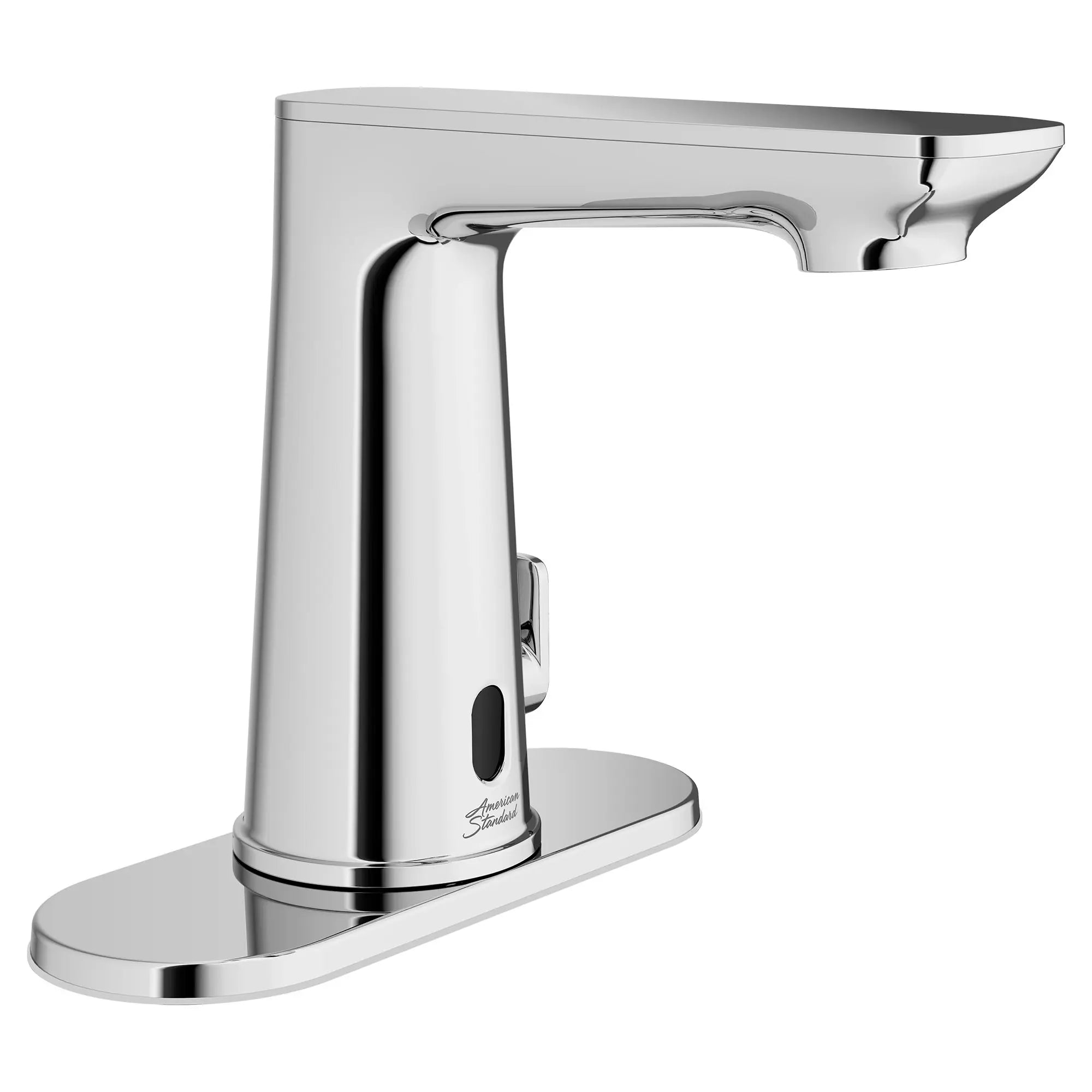
Clean IR Touchless Bathroom Faucet
This 0.5-gpm battery-operated faucet integrates its controls into the fixture body, eliminating separate under-counter control mounting. American Standard also provides adjustable temperature control and a cleaning mode.

Purist® Widespread Bathroom Faucet
Purist represents the opposite strategy: conventional mechanical control, architectural simplicity and a documented 1.2-gpm flow rate. Ceramic disc valves support a service-oriented guestroom specification.
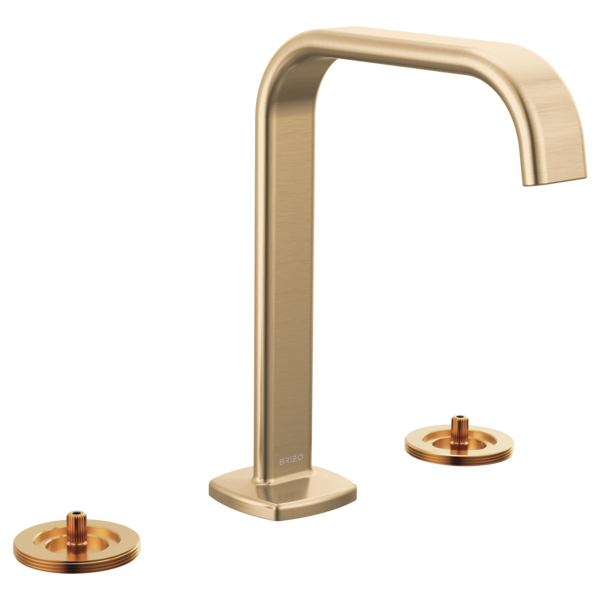
Allaria® Widespread Lavatory Faucet
Allaria combines a streamlined ribbon-style spout with a 1.2-gpm laminar flow configuration. Separate handle choices let designers tailor the visual language of premium bathrooms.
Colinet Two-Handle High-Arc Faucet
Colinet uses Moen’s M-PACT common valve architecture, allowing future trim changes without replacing the underlying plumbing valve—an interesting lifecycle consideration for hotel renovation programs.
Touchless or Manual: Which Makes More Sense for Hotels?
Public restrooms: Touchless faucets have the strongest operational case where traffic volume, controlled activation and reduced guest contact are priorities.
Guestrooms: Manual faucets remain compelling because guests immediately understand their operation and maintenance teams avoid additional sensors, batteries and electronics.
Procurement: Compare more than purchase price. Flow rate, cartridge or sensor access, finish durability, available replacement parts and housekeeping labor all affect lifecycle value.