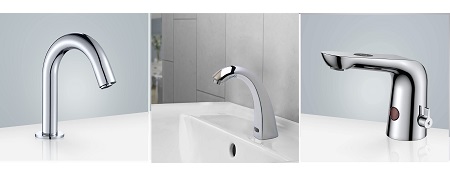
Touchless Fixtures in Hotel Bathrooms: Hygiene, Tech, Guest Satisfaction
Hotel bathrooms have consistently influenced how guests perceive overall quality: a spotless sink and gleaming fixtures can signal five-star care, while a grubby faucets can immediately undermine confidence. Over the past decade—especially since the COVID-19 pandemic—hotels have increasingly adopted touchless bathroom fixtures such as faucets, soap dispensers, flush mechanisms, towel dispensers, and even self-cleaning toilets. This shift is driven by three main promises: better hygiene, measurable savings on resources, and a modern guest experience that helps guests feel safe and at ease.
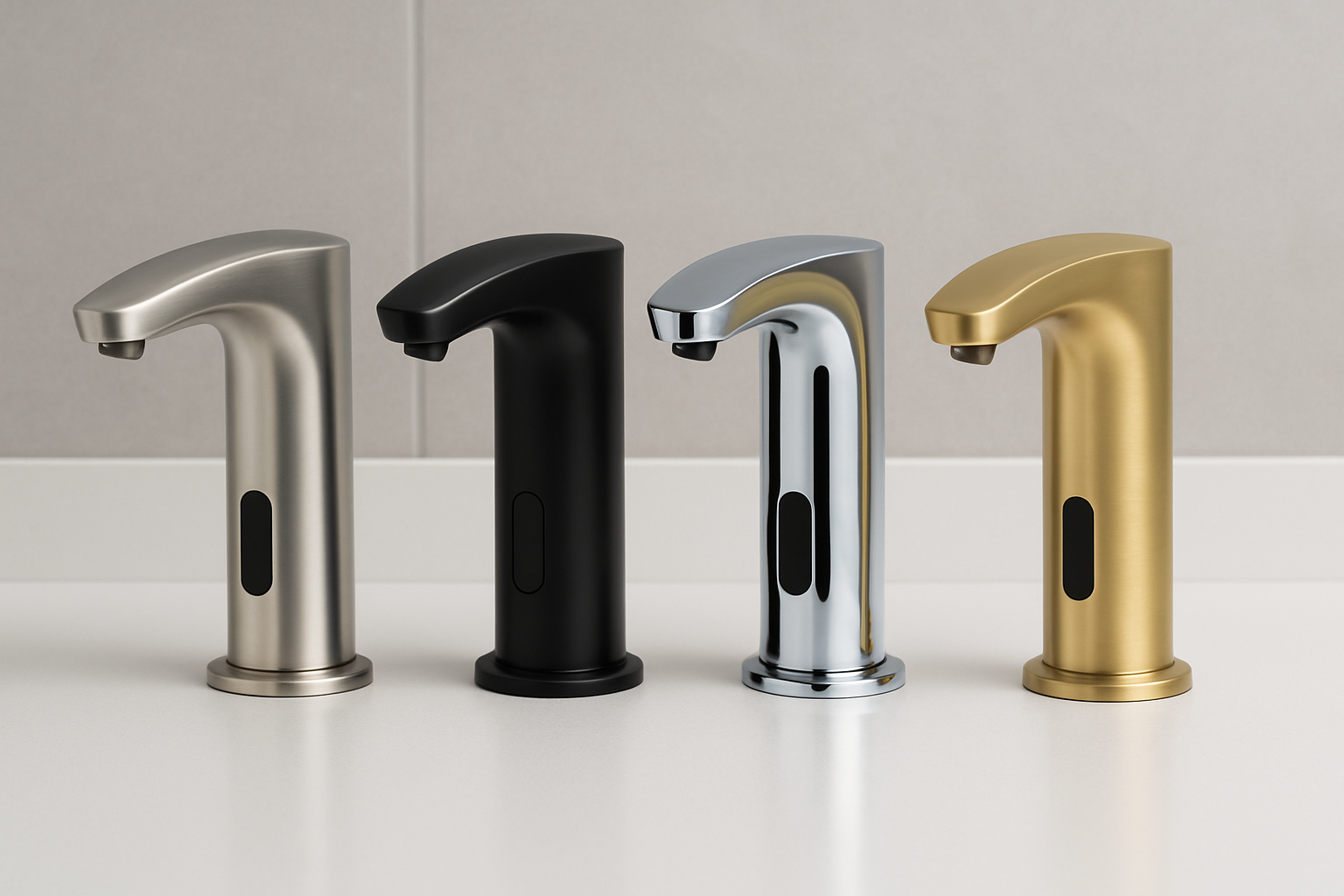
Why Hotels Are Investing In Touchless
The hygiene argument is straightforward: touchless fixtures eliminate a common point where germs can spread. Studies and case reports from manufacturers consistently show reduced surface contamination when mechanical handles are replaced with sensor-activated devices. This reduces a visible trigger for guest complaints and, when combined with proper maintenance, can also make housekeeping easier for hotel staff and operators.
Second, the business case is now compelling. Several market studies show that the smart and touchless bathroom segments are growing quickly because operators care about both guest health and operational efficiency. These installations are positioned as both luxury upgrades and smart investments that reduce costs related to water use, labor, and guest complaints.
Third, guest expectations have changed. Many travelers now see sensor-activated fixtures as a sign of modernity and cleanliness. Hotels that make visible investments in hygiene—especially high-end and business properties—gain a perceptual advantage that can influence bookings and repeat stays.
Measurable Operational Benefits
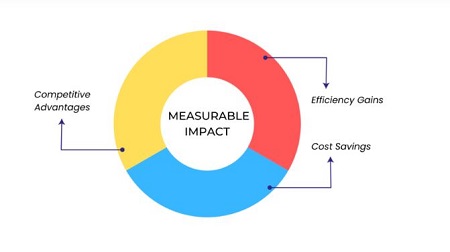
Touchless fixtures often have metered run times and auto-shutoff logic that prevent faucets from being left on. Case studies and reports from hotels show that high-traffic bathrooms can save between 20% and 40% of water, depending on the baseline and how the fixtures are configured. This translates into lower utility bills and makes it easier to meet sustainability goals. Integrated systems, such as IoT-enabled faucets and dispensers, can also provide data on usage patterns and maintenance needs, helping housekeeping teams plan repairs more effectively.
Guest Satisfaction And The UX Tradeoffs
From a guest’s point of view, touchless fixtures perform well in terms of “feel” and perceived cleanliness. But design is critical. Guests can become frustrated when sensors are slow to respond, fail to activate when hands are positioned differently, or trigger false activations. This is especially true in high-end settings where expectations are higher. Studies on sensor performance have found that some infrared sensors may be less reliable on darker skin tones. In addition, ambient lighting and reflective surfaces can further reduce sensor accuracy. As a result, hotels need to choose products that have been thoroughly tested, fine-tune sensor sensitivity, and incorporate clear but unobtrusive visual cues (such as small LEDs) so guests understand how to use the fixture.
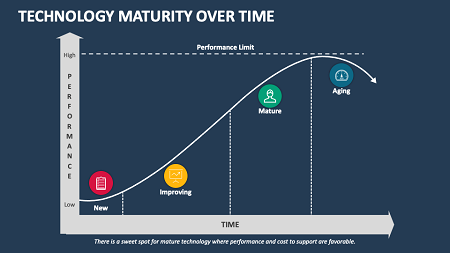
Technology Maturity — What’s On The Market
IR proximity sensors, capacitive sensors, and ultrasonic detectors are the main technologies that power touchless fixtures. Newer features include remote firmware updates, cloud connectivity, and analytics dashboards that consolidate water-use data and fault reports in one place. Premium vendors now offer features such as:
- Adjustable metered flow and run duration,
- Dual-sensor logic (presence + motion direction) for fewer false starts,
- Battery and mains hybrid power options
- Antimicrobial finishes and replaceable cartridges for soap/foam dispensers.(interhasa Hand dryer)
Maintenance, Total Cost Of Ownership, And Pitfalls
Just because something is touchless doesn’t mean it doesn’t need to be maintained. You need to check your electronic sensors, power supplies (batteries or power packs), solenoid valves, and circuits on a regular basis. When hotels think about lifecycle service—like cleaning sensor lenses, replacing batteries or making sure power is stable, and training engineering staff to quickly swap out valves or sensors—they get the best return on investment. A sensor faucet that costs less up front may cost more in labor and guest dissatisfaction over time if it leaks or doesn’t work right.
Poor integration is another operational challenge. For example, retrofitting older plumbing without proper flow control or pressure regulation can cause short cycling (rapid opening and closing) and premature valve wear. It’s important to work with vendors who conduct site surveys and pilot installations before a full roll-out.

Designing For Inclusivity And Reliability
Because sensor performance can change depending on the situation, choose fixtures that have been third-party tested across a range of skin tones, hand sizes, and lighting conditions, or conduct pilot testing on-site. When possible, select units that allow manual override or offer a tactile option in at least some bathrooms (for example, a lever that is hidden but accessible) so guests who prefer traditional controls can use them. Small details like clear icons, indicator LEDs, and brief signage reduce confusion and help cut down on complaints.
Sustainability And Brand Storytelling
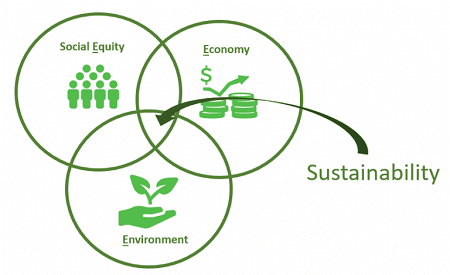
Touchless fixtures are a visible sign of a commitment to sustainability, in addition to reducing operating costs. Hotels can measure how much water and energy they save and use those numbers to communicate their sustainability efforts to guests. This is especially effective in corporate and eco-focused markets. When combined with other water management strategies, smart fixtures can also support accreditation and green building certifications.
Recommendations For Hotel Operators
- Pilot first. Test a representative set of rooms and public restrooms for 30–90 days to collect real usage and guest feedback.
- Prioritize proven vendors. Look for products with robust warranties and service networks.
- Factor lifecycle costs. Include consumables, batteries, and service labor in ROI calculations.
- Train maintenance staff. Regular lens cleaning and firmware checks keep units performing.
- Communicate to guests. Brief, upbeat signage (e.g., “Sensor faucets: touch-free for your safety”) improves perceived value and reduces confusion.
Conclusion
Touchless bathroom fixtures are no longer new to the hospitality industry. When selected and managed correctly, they are a smart investment for both businesses and guests. The technology reduces touchpoints and often uses less water, while helping hotels appear more modern and clean. However, whether touchless solutions become a brand asset or a source of guest frustration depends on the products you choose and how well they are installed and maintained. Touchless fixtures can save money and improve guest satisfaction when they are carefully specified, tested in a pilot program, and supported by proper staff training.
References
- Market report: Touchless Bathroom Fixtures for Hotels Market (DataIntelo).
- Smart bathroom market analysis (IMARC Group).
- Electronic sensor faucets and hygiene — Sloan/industry continuing-education paper.
- Case studies on water and energy savings after touchless conversions (industry reports & case studies).
- Sensor performance and sensitivity research (BCIT / peer-reviewed note on IR sensor variability).