Operational Costs in Hotel Bathroom Design: Choosing Fixtures That Lower Maintenance
Hotel bathrooms are among the most frequently cleaned spaces in any hospitality property. Every day, housekeeping, engineering, and operations teams interact with faucets, showers, toilets, mirrors, drains, and finishes that have been used by hundreds of guests. Choosing the wrong fixtures can lead to more downtime, extra labor, higher repair costs, and increased water consumption—all of which directly affect operating expenses. This piece will examine the most effective lighting and design ideas for hotels to cut down on maintenance expenditures.
The Importance Of Maintenance Cost In Hotel Bathroom Design
Just think of how much an inefficiency, no matter how small, costs when multiplied by the number of rooms over the course of the year. Consider the following example:
- A faucet with a one-year replacement cycle as opposed to five
- A shower system which often needs regrouting
- An example of a toilet that has experienced problems with its flush valves would
- Tile floors which tend to accumulate dirt, requiring frequent intense cleaning
Originally, the cost of acquiring the fixtures was the primary concern for hotel owners. However, nowadays, the cost of the bathroom fixtures over their useful lifetime has become a point of interest for the owners of the hotels. The most suitable fixtures for:
- Facilitate child care
- Reduce breakdowns
- Resist industrial cleaners
- Reducing water and energy consumption
- Extending fixture life
Associate Annual Maintenance Cost Comparison (per 100 Rooms)
Here is the chart you asked for with common hotel fixtures listed according to estimated annual maintenance cost. These values are industry-informed approximations for comparative purposes.
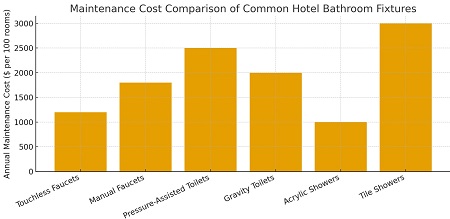
The chart shows that:
- Tile showers and and pressure-assisted toilets are the costliest in terms of maintenance.
- Acrylic shower systems and touchless faucets are responsible for lower yearly operational costs.
Faucets: The Highest-Traffic Touchpoint
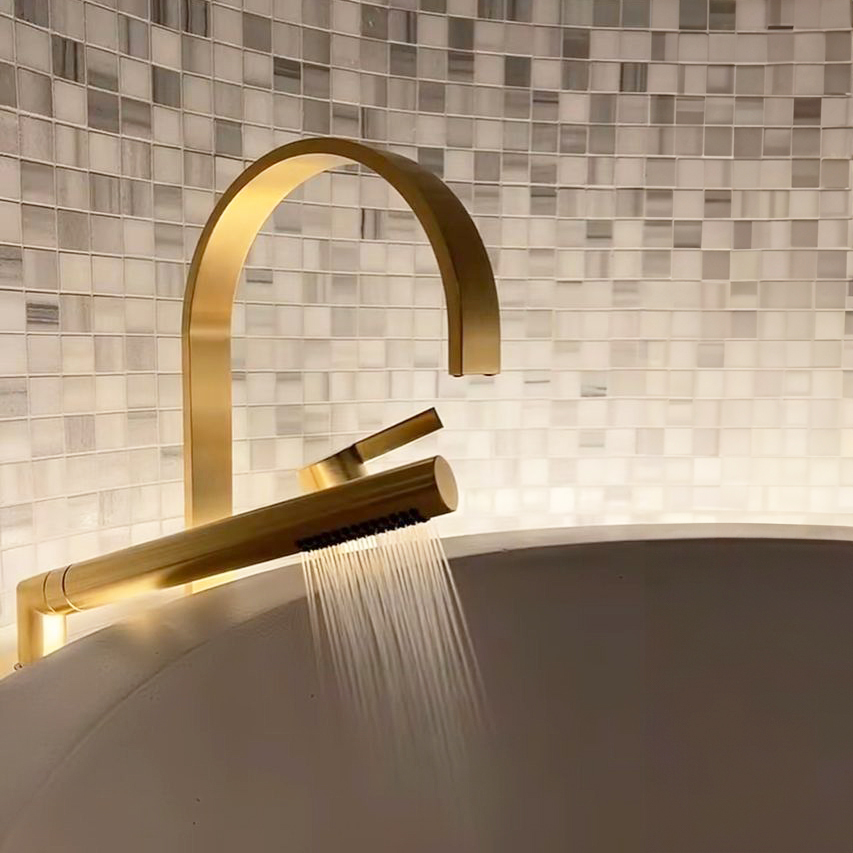
Touchless Faucets – Best for Long-Term Cost Efficiency
Modern sensor-activated faucets significantly reduce:
- Wear on mechanical parts
- Cleaning frequency (fewer fingerprints and stains)
- Water waste from forgetful guests
They also minimize clogs caused by foreign objects accidentally left in the sink while water runs.
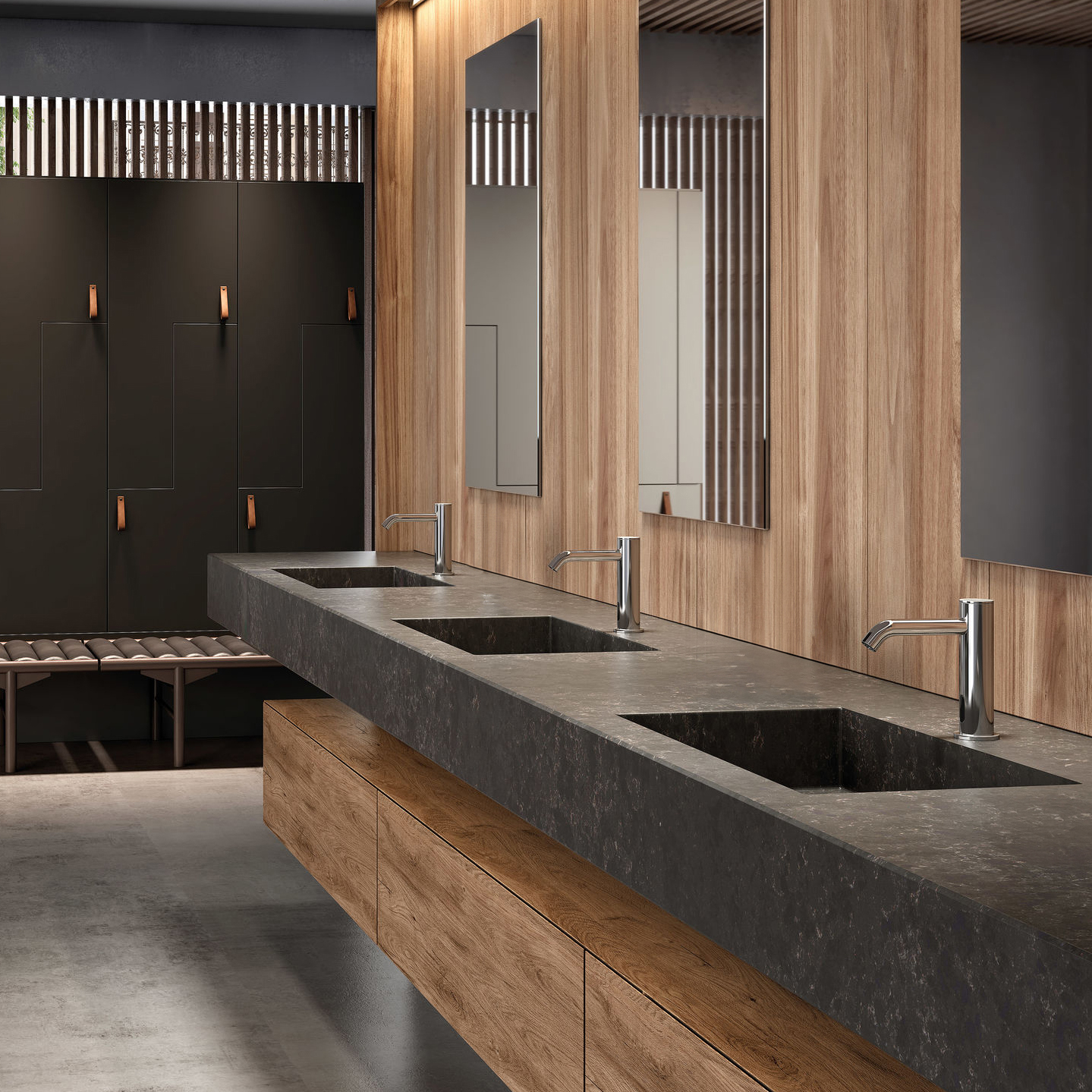
Operational advantages
- Fewer cartridge replacements
- Lower water bills (flow rates typically 0.5–1.0 GPM)
- Reduced guest complaints about inconsistent temperature
Many hotel engineering teams report 30–40% fewer service calls after switching to touchless systems.
Manual Faucets – Low Initial Cost, Higher Long-Term Cost
Manual faucets are cheaper upfront but require:
- More frequent cartridge replacements
- More surface polishing
- Greater water waste potential
Hotels with 200+ rooms typically save more switching to sensor faucets, despite higher upfront cost.
Best Practice Tip: To reduce long-term repair costs, choose solid brass bodies paired with sensor modules that can be easily replaced.
Toilets: The Recurring Source of Maintenance Calls
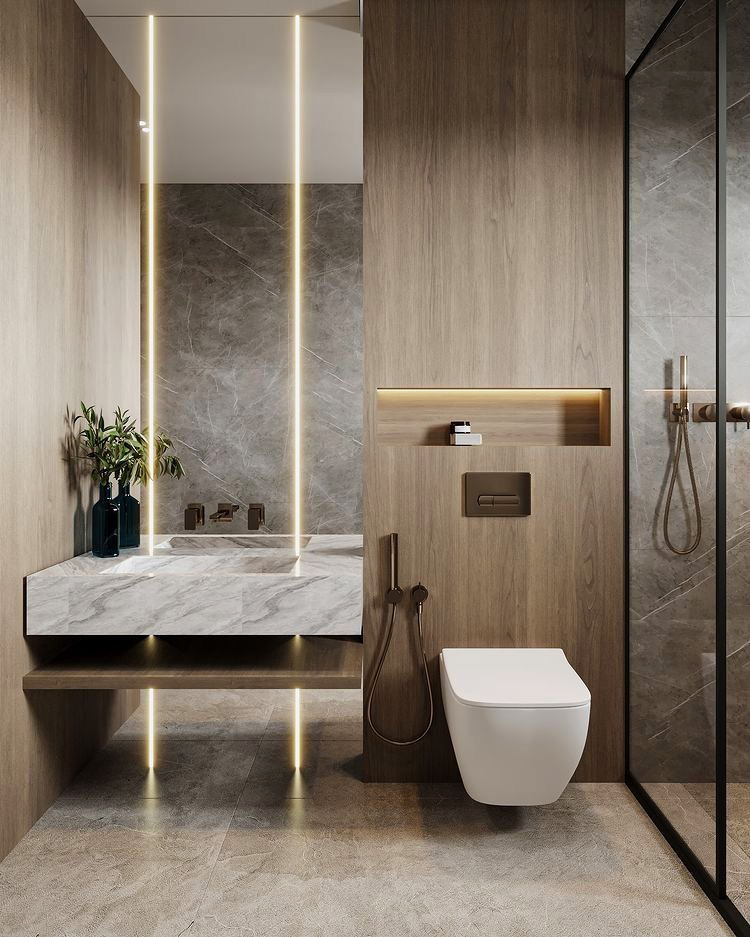
Gravity Toilets – Reliable and Low-Maintenance
In most hotels, gravity-flush toilets remain the best overall choice because:
- Fewer moving parts
- Cheaper replacement parts
- Lower long-term maintenance than pressure-assisted systems
Average maintenance cost is $2,000 per 100 rooms per year.
Pressure-Assisted Toilets – High Performance but High Cost
While they reduce clogs, they come with:
- Costly replacement tanks
- Noisy operation (affects guest satisfaction)
- More mechanical failures
Annual maintenance often exceeds $2,500 per 100 rooms.
Best Practice Tip: Use pressure-assisted systems only in public restrooms where very high flushing frequency is expected.
Showers & Tubs: Where Tile vs. Acrylic Becomes a Budget Decision
Tile Showers – Beautiful but Expensive to Maintain
Tile installations drive high operational costs due to:
- Grout cleaning
- Mold/mildew control
- Regrouting every 2–4 years
- Water penetration from failed waterproofing
Annual cost: ~$3,000 per 100 rooms, making tile the costliest shower system.
Acrylic Shower Systems – The Operational Favorite
Acrylic panels and bases offer:
- Very low maintenance
- No grout
- Easy repairability
- Fast installation and replacement
They are ideal for 3-star and 4-star properties wanting attractive, cost-efficient bathrooms.
Annual cost: ~$1,000 per 100 rooms, the lowest among common shower solutions.
Best Practice Tip: Choose textured, matte acrylic to minimize visible scratches and reduce cleaning time.
Mirrors, Lighting, and Accessories That Reduce Maintenance
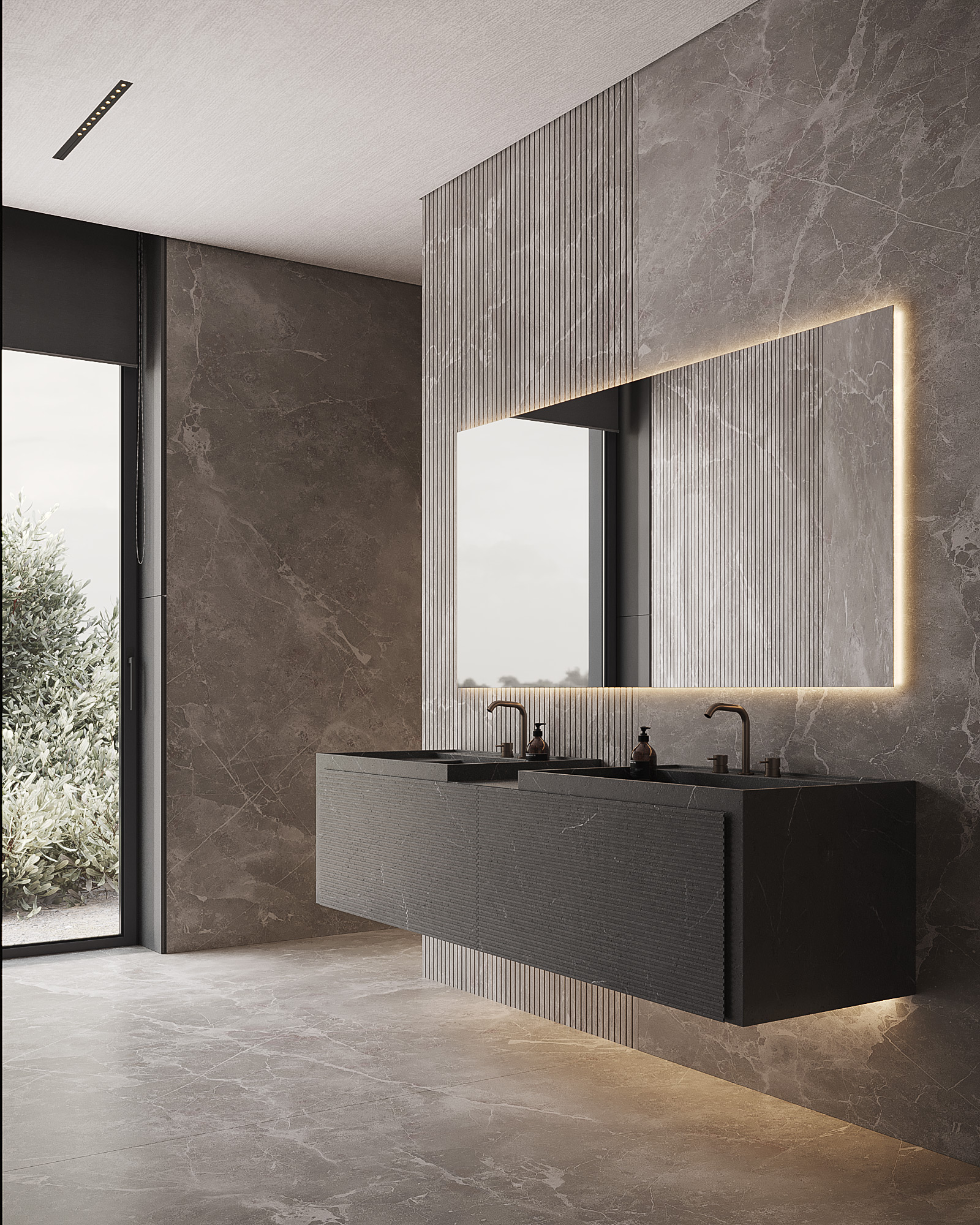
Backlit LED Mirrors
LED mirrors with integrated anti-fog systems reduce:
- Time spent wiping
- Replacement cycles (LEDs last 10–15 years)
- Electric consumption
Stainless Steel Grab Bars, Towel Racks & Hardware
Stainless steel (304/316) resists corrosion and harsh cleaners better than chrome-plated brass.
Integrated Shelving & Niches
Built-in shower niches reduce:
- Breakage of glass shelves
- Replacement costs
- Guest injuries
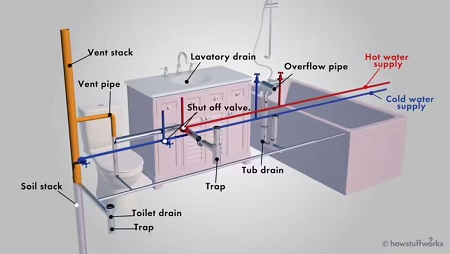
Drainage, Plumbing & Water Controls That Lower Service Calls
Single-Handle Mixing Valves
Preferred over dual-handle designs because they:
- Have fewer parts
- Are easier for guests to use
- Reduce leak potential
Pressure-Balancing or Thermostatic Valves
These prevent scalding and reduce guest complaints.
Easy-Clean Linear Drains
While more expensive upfront, linear drains reduce:
- Hair blockages
- Cleaning time
- Tile cutting complexity
Housekeeping & Engineering Feedback Loops
The most maintenance-efficient hotels maintain communication between:
- Design & construction teams
- Housekeeping supervisors
- Maintenance engineers
Hotel brands like Marriott and Hilton emphasize “operational design review” before approving bathroom prototypes.
Top recurring pain points from engineering teams:
- Faucet sensor modules not waterproofed
- Tile showers with poor slope
- Toilets with hard-to-find replacement parts
- Mirrors without safety backing
- LED drivers failing due to humidity
Designing Bathrooms That Reduce Cleaning Time
Cleaning accounts for more than 60% of bathroom operational costs.
Design features that reduce cleaning time:
- Wall-mounted toilets & vanities (floor becomes fully mop-accessible)
- Large-format tiles (fewer grout lines)
- Seamless shower pans
- Anti-fingerprint faucet finishes (brushed nickel, matte black)
- Non-textured glass (easier to squeegee)
- Rounded countertop edges (no debris traps)
Hotels adopting these strategies report 20–25% faster room turnover.
Conclusion
Choosing the right fixtures for hotel bathrooms can reduce operating costs—it’s not just about using high-end finishes. Touchless faucets, acrylic shower systems, gravity toilets, stainless steel hardware, and LED mirrors are all low-maintenance options that perform well. When combined with thoughtful layout planning, they help cut labor costs, improve guest satisfaction, and extend the life of assets.
Reference Links
Here are credible industry resources:
- American Hotel & Lodging Association — Engineering & Design Guides
- Plumbing Manufacturers International — Fixture Performance Standards
- International WELL Building Institute — Water & Material Standards
- EPA WaterSense — Recommended water-efficient fixtures
- Tile Council of North America — Best practices for tile showers