High-Pressure Showers in Spas Pros, Cons & Design Strategies for AEC Teams

Latest Comments

No comments to show.
Hospitality Showers · High-Pressure Spa Showers

High-Pressure Showers in Spas
Pros, Cons & Design Strategies for AEC Teams

Powerful, high-pressure showers are a signature of many spa and wellness concepts. But
higher pressure also brings trade-offs in water consumption, acoustics, envelope design,
and guest comfort. This guide examines the pros and cons of high-pressure showering and
how to design systems that feel luxurious without overwhelming the building or the guest.

✓ Spa experience & comfort
✓ Water & energy impact
✓ Envelope, acoustics & MEP
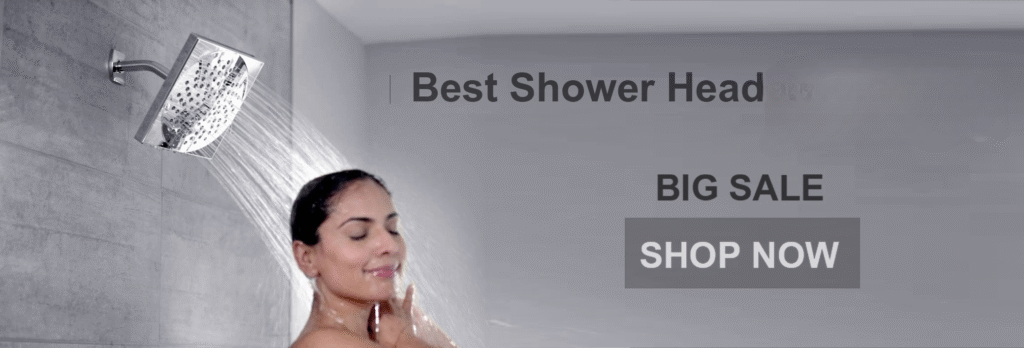
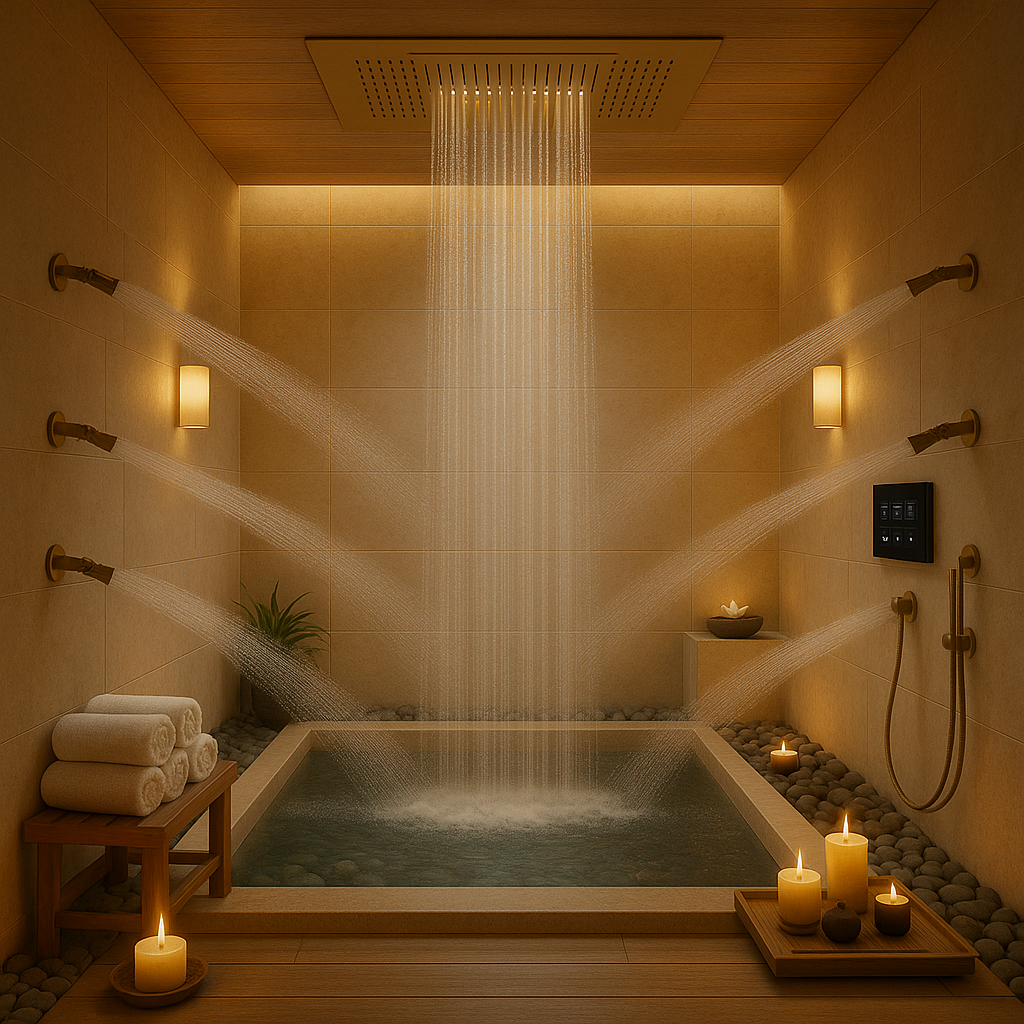
Rainfall shower head series concept at high flow
High-pressure rain & massage · Thermal comfort & rinsing · Hydraulics & sustainability

How High-Pressure Showers Change the Spa Design Conversation

In many spa and wellness concepts, guests equate a “good shower” with a certain feeling of
pressure and coverage. AEC teams, however, have to translate that subjective impression into real numbers: available pressure at the floor, combined flow rate, acoustic impact, and water/energy budgets.

High-pressure showers aren’t just about more water. Nozzle design, spray pattern, and valve logic all contribute to the experience — and to the mechanical and envelope demands behind the wall.

Top rated rain showers showing multifunctional spray options
High pressure is only one lever; spray pattern and coverage matter just as much. Spray pattern · Comfort

Overview & TOC
Pros for Guest Experience Massage, thermal comfort, rinsing
Key Drawbacks & Risks Water, acoustics, sensitivities
Hydraulics & Envelope Pressure, flow, waterproofing
Operations & Maintenance Scale, cleaning, wear
Design Templates Balanced pressure concepts

Pros of High-Pressure Showers in Spa Environments

Used thoughtfully, high-pressure showers can be a powerful differentiator for spas, hydrotherapy circuits, and wellness suites. The main advantages from a guest and brand perspective include:

  • Deep massage sensation: Narrower jets at higher momentum can mimic a massage effect on shoulders, neck, and back — especially when combined with body jets or side sprays.
  • Quick, satisfying rinsing: Guests with long hair or body treatments appreciate showers that rinse products quickly without extended dwell times.
  • Perception of “power” and value: In many markets, a “strong shower” is perceived as a core indicator of quality, especially in spa and resort properties.
  • Thermal comfort in cool rooms: High-velocity droplets can reduce the feeling of drafts in larger, cooler spa spaces when combined with correct air control.
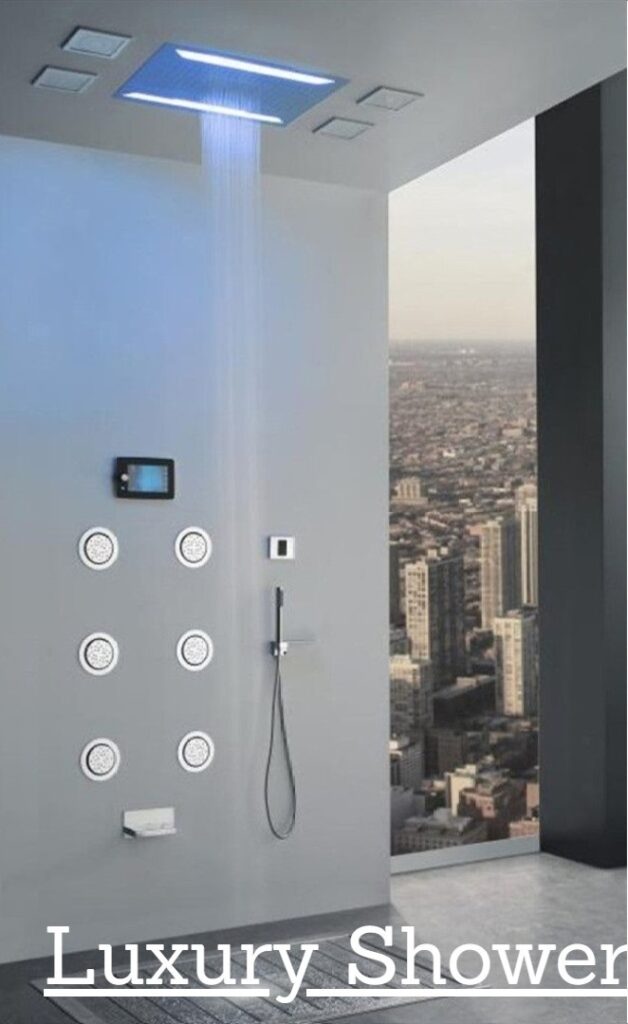
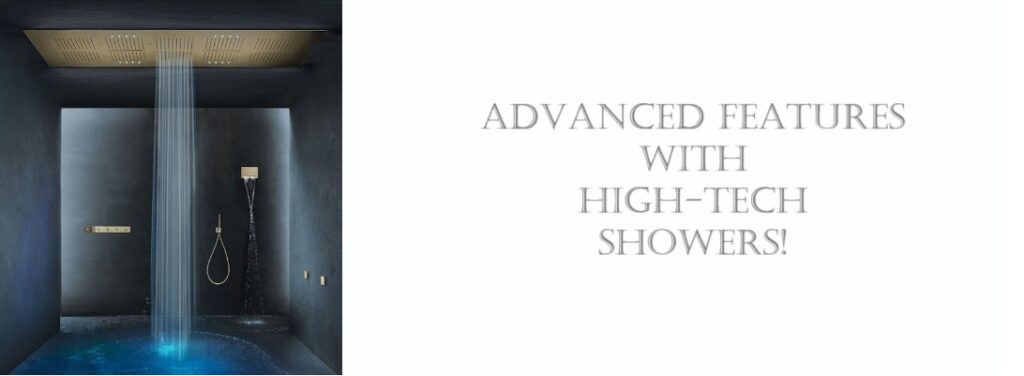
Early in concept design, capture a qualitative target: “firm but comfortable,” “hydro-massage,” or “soft rain.” This keeps pressure, flow, and head selection aligned across spa zones and room types.

Hospitality and spa projects across the USA showing premium showers
High-pressure experiences often anchor signature spa and wellness projects. Signature · Spa zones

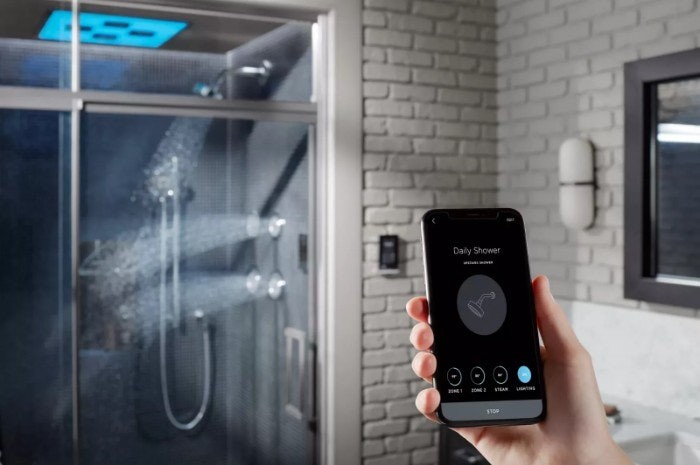
High-tech shower system emphasizing powerful spray options
High-pressure modes can be one of several curated experiences, not the default. Modes · Variety

Cons & Risks of High-Pressure Showers

The same characteristics that make high-pressure showers memorable can also create
challenges in real buildings. AEC teams need to anticipate the most common drawbacks:

  • Higher water and energy use: Even at the same flow rate, longer dwell times encouraged by “wow-factor” showers can raise consumption; truly higher flow rates will do so even more.
  • Noise and acoustics: High-velocity spray can be noticeably louder, especially in hard-surfaced spa rooms, affecting adjacent spaces.
  • Skin and comfort sensitivities: Not all guests tolerate intense spray, especially over the face or sensitive skin areas.
  • Overspray and envelope stress: Strong lateral splash puts more demand on waterproofing, thresholds, and glass details.
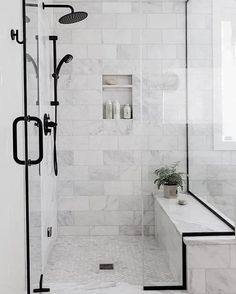
Serene spa shower area with calm water experience
Balance intense modes with gentler options to suit more guests. Balance · Comfort

Utilizing a waterfall showerhead with strong, focused flow
Waterfall and cascade outlets amplify perceived pressure and overspray risk. Waterfall · Overspray

Concept graphic showing innovative high-performance shower ideas
Innovation must be paired with clear limits on pressure, flow, and exposure time. Innovation · Limits

Hydraulics, Envelope & Acoustics with High-Pressure Showers

High-pressure concepts need more than just a “strong showerhead.” They depend on coordinated hydraulics, careful enclosure design, and acoustic planning:

  • Pressure at the head, not just at the riser: Long runs, restrictive valves, or small piping can erase the perceived benefit, even if riser pressures look generous on paper.
  • Drainage & slope: More splash and higher droplet momentum increase the risk of water where it doesn’t belong; floor slopes and drain locations become critical.
  • Glass and threshold detailing: High-pressure systems leak quickly through small gaps; seals, sweeps, and returns matter.
  • Acoustic separation: More impact noise on tile, glass, and pans requires better partition detailing, especially near guestrooms and quiet zones.
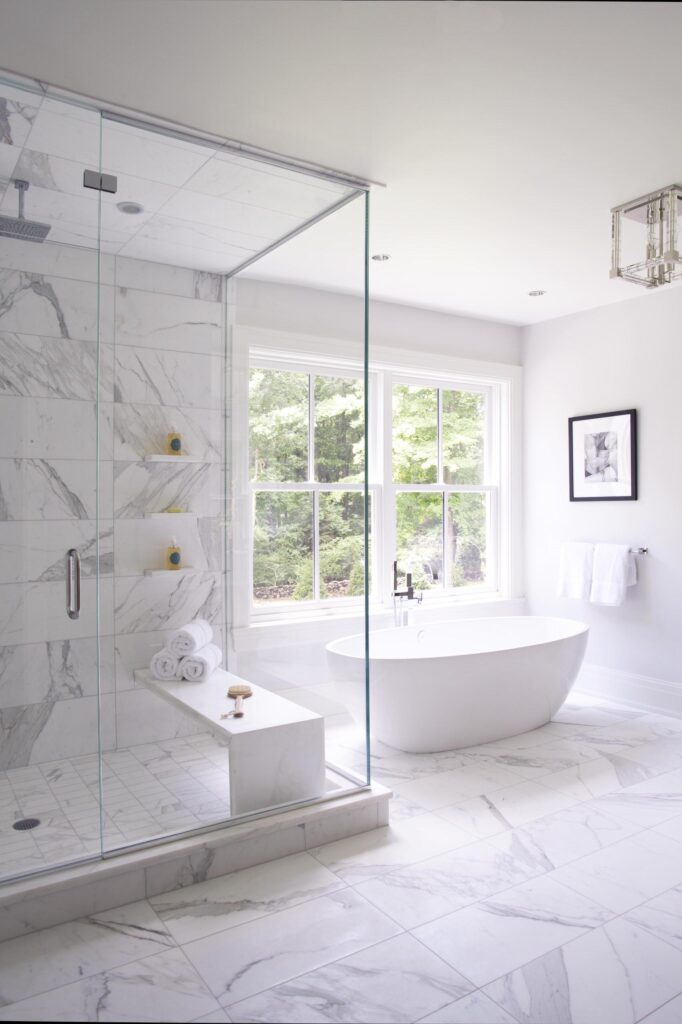
Architectural master bath with enclosed shower and careful detailing
High-pressure concepts demand tight coordination of drains, glass, and slopes. Envelope · Drainage

Concept of best spa smart showers with strong coverage
Pair high-pressure modes with digital or mechanical limits to protect the system. Limits · Controls

Spa shower system diagram with five unique functions
Pre-engineered systems clarify how high-pressure modes relate to other functions. Functions · Zoning

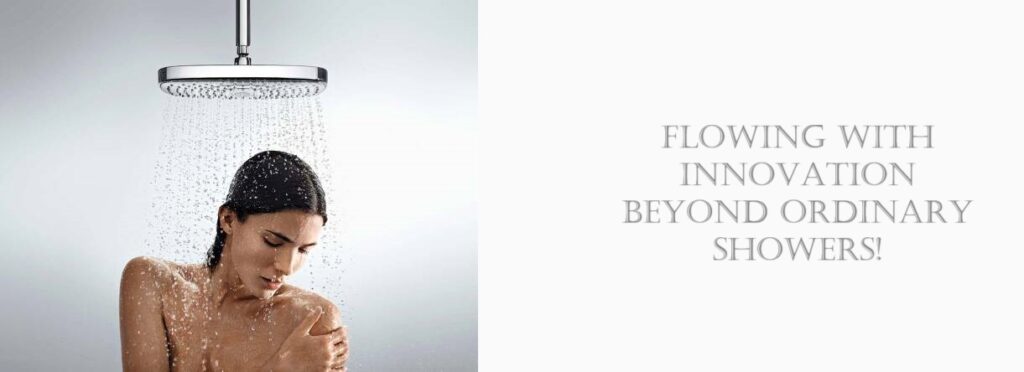
Flowing innovation graphic about beyond ordinary showers
Use modeling and visualization to vet pressure concepts before construction. Modeling · Visualization

Operations, Maintenance & Long-Term Performance

High-pressure systems also change what housekeeping and engineering teams experience
over the life of the spa:

  • Scale and clogging: Smaller nozzles and more intricate jet geometries can clog faster in hard water conditions.
  • Wear on finishes: Higher droplet velocity can accelerate wear at certain locations if water hits the same points repeatedly.
  • Cleaning effort: Niches, benches, and glass near high-pressure heads may see more spotting and soap accumulation.
  • Valve and cartridge life: Frequent high-demand operation may reveal weaknesses in marginal valve selections sooner.

Build a maintenance narrative into specifications: descale frequency,
recommended cleaning products, filter strategies, and spare parts stocking for
high-pressure components.
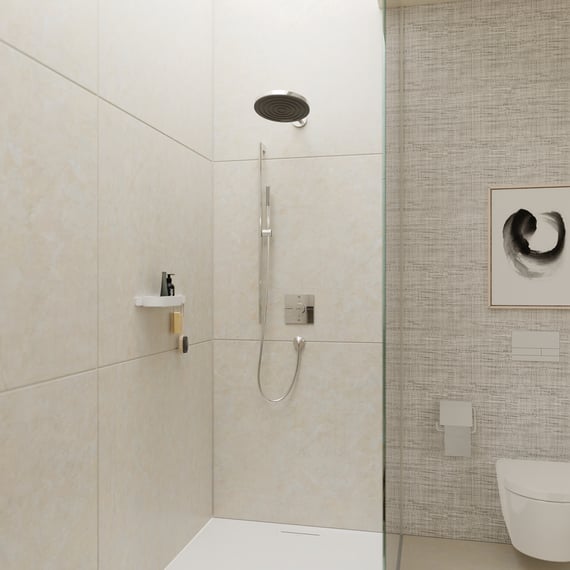
Chrome shower fixture close-up with water droplets
High-pressure heads with fine nozzles require more attentive descaling. Nozzles · Descale

Hotel bath with clean lines and thoughtful shower layout
Simple geometries make high-performance showers easier to clean and maintain. Housekeeping

Spa shower zone with multiple stations and simple detailing
Shared spa corridors magnify the impact of scale, leaks, and overspray. Shared zones

Design Templates · Balancing Pressure, Comfort & Performance

Template A – “Firm but Comfortable” Spa Shower

For most spa treatment rooms and wellness suites, a moderate interpretation of high-pressure works best:

  • Single large rain or hybrid head tuned for firm but not aggressive spray.
  • Handshower for flexible rinsing and accessibility.
  • Thermostatic or digital control with maximum temperature limits.
  • Enclosure details that handle occasional overspray without drama.

Template B – Hydro-Massage Station

For specific hydrotherapy or contrast-shower stations:

  • Multiple side jets and overhead heads with targeted high-pressure modes.
  • Clear labeling of “intense” vs. “gentle” modes.
  • Dedicated drainage, waterproofing, and acoustic detailing.

Template C – Smart-Enabled High-Pressure Spa Suite

For flagship suites with digital control:

  • Digital valve with presets for “Rain,” “Massage,” and “Soft Spa.”
  • Pressure and flow-limiting logic inside the digital platform.
  • Analytics for operators to monitor usage patterns and dwell times.
LED rainfall head system capable of powerful spray output
Large-format heads can deliver impact without extreme pressure if nozzles are tuned. Head design

Shower system layout concept with multiple outputs
Layouts can assign high-pressure modes to specific heads, not the entire zone. Zoning

Shower system model with coordinated outlets and controls
Coordinated models clarify where intense vs. gentle spray is intended. Intent · Modeling

Graphic showing flowing innovation beyond ordinary showers
Marketing imagery should match what the hydraulics can actually deliver. Expectation · Reality

Clean, bright shower with emphasis on water clarity
High-pressure does not have to mean visually “heavy” or technically complex. Lightweight feel

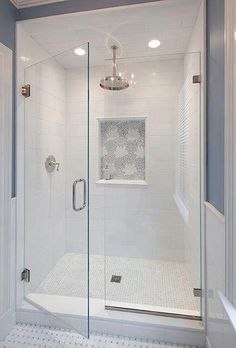
Compact spa shower enclosure with tiled walls
Even compact spa showers can feel powerful if hydraulics and heads are tuned. Compact · Tuned

Spa corridor with multiple shower and wet-area zones
Group shower zones amplify hydraulic and acoustic impacts of high-pressure modes. Group zones

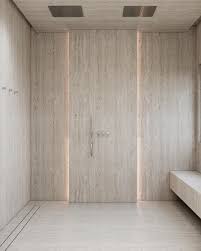
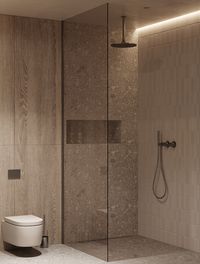
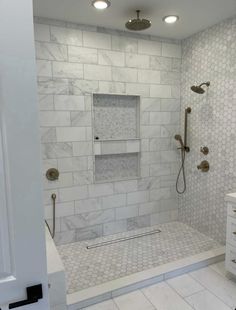
Open walk-in shower with natural stone and rain head
Open walk-in layouts may need moderated pressure or additional glass returns. Open plan

Spa shower with textured tile walls and rainfall outlet
Textured tile can visually reinforce the sense of energy from the water. Textures

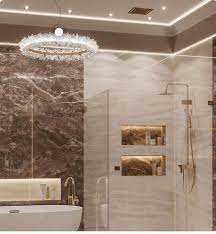
Luxury bathroom with freestanding tub and adjacent shower
Consider how tub spray and shower spray interact in combined wet rooms. Combined wet room

Glass shower with strong visual axis and rainfall head
Views into the shower can showcase high-pressure features — or expose flaws. Visibility

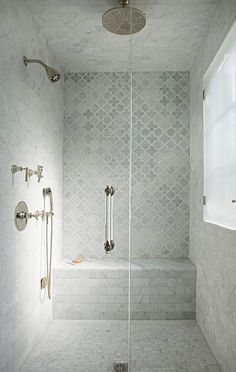
Stone shower interior with linear drain
Linear drains must be sized and positioned for higher-splash environments. Drain sizing

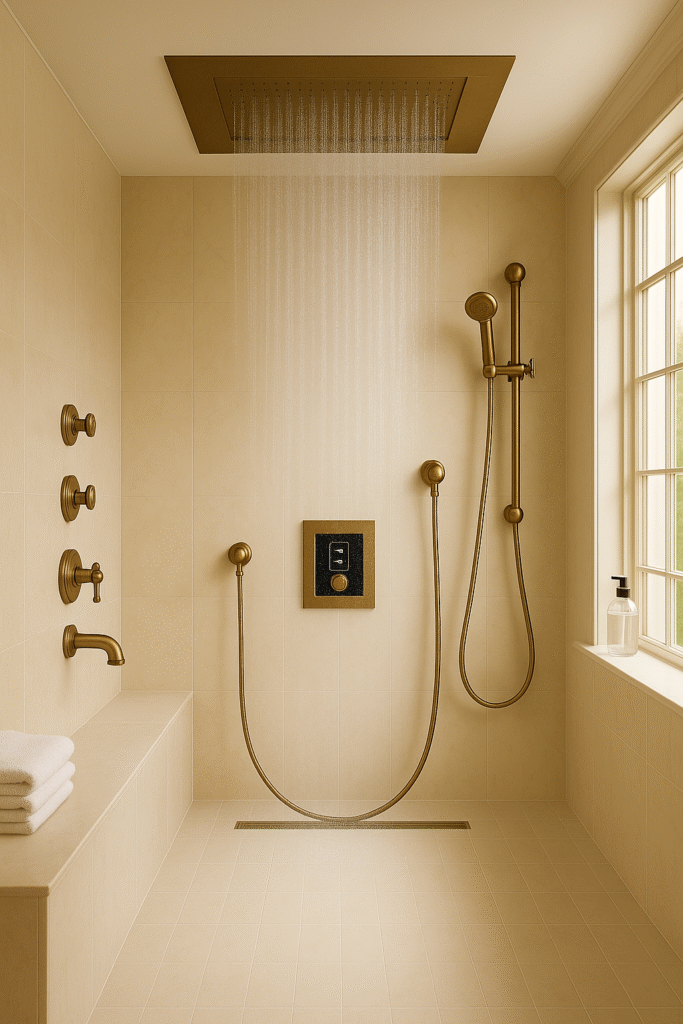
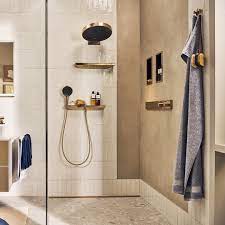
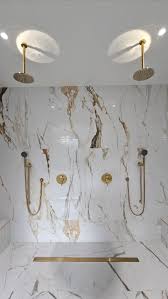
Warm-toned shower interior with brass fixtures
Finish selection must withstand frequent high-pressure use and cleaning. Finishes

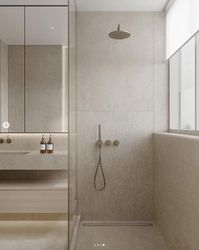
Shower with window and rainfall head
Openings and windows near showers amplify the need for careful splash control. Openings

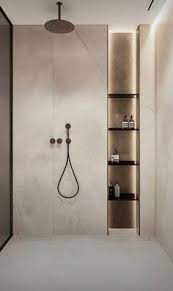
Contemporary shower with niche lighting and rain head
Integrated lighting reveals any uneven spray or water behavior immediately. Lighting

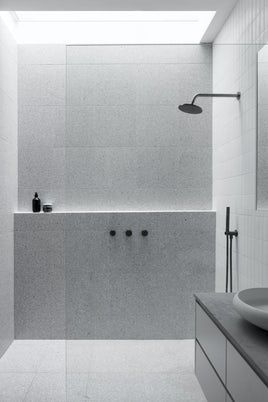
Bathroom with skylight and open shower
Natural light highlights both water effects and any envelope issues. Skylight

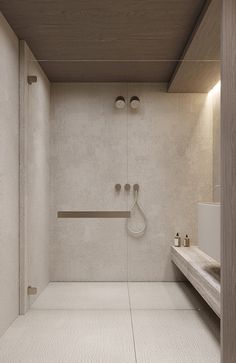
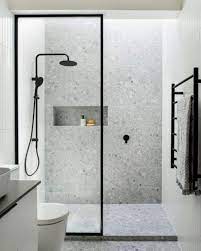
Minimalist grey-tiled shower with rainfall head
Minimalist palettes can still support dramatic high-pressure effects. Minimalist

Warm beige shower with rainfall and handheld
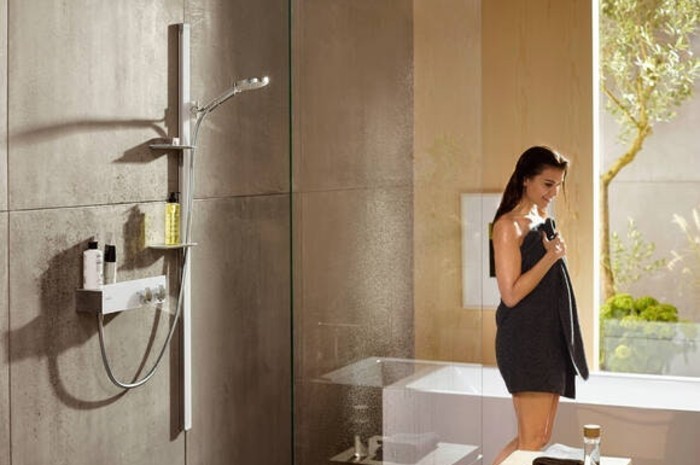
Pair high-pressure heads with flexible handshowers for accessibility. Accessibility

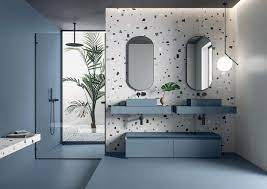
Dark tiled shower with frameless glass and niche
Darker palettes make water patterns and spray intensity more visually apparent. Contrast

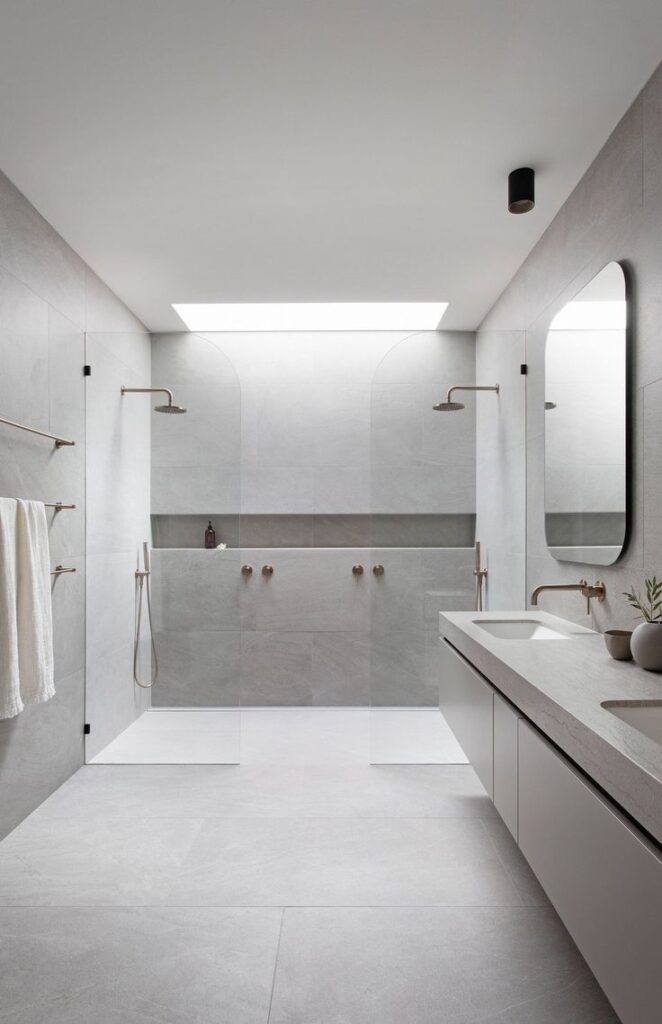
Bright spacious bathroom with separate shower
Generous room volumes can help absorb acoustic energy from stronger showers. Volume · Acoustics

Compact bathroom with tiled shower and glass
In compact bathrooms, extremely high pressure can feel overwhelming quickly. Scale · Intensity

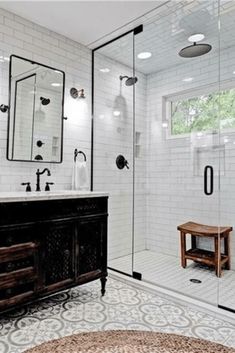
Shower with patterned tile and rainfall head
Patterned tile adds visual energy; pair with balanced hydraulic energy. Pattern

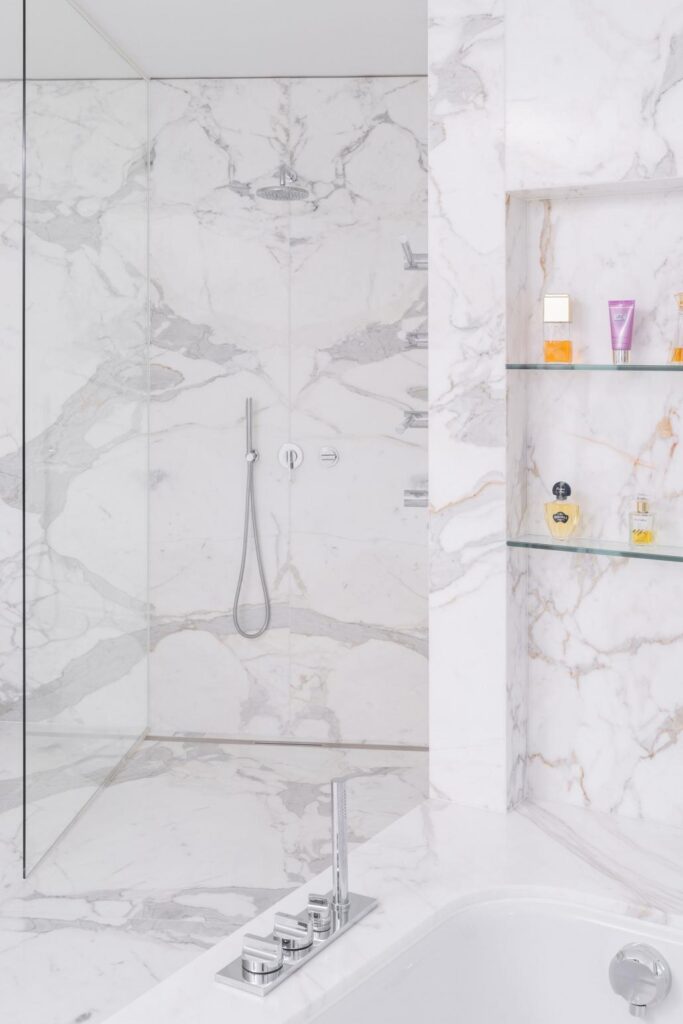
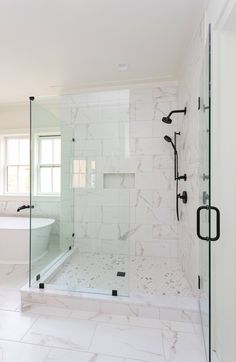
White tiled shower with glass and chrome fixtures
Even modest hardware can feel high-end if water performance is tuned. Perception

Contemporary bathroom with freestanding tub and shower
Wet room concepts should consider how pressure affects splash beyond the shower. Wet room

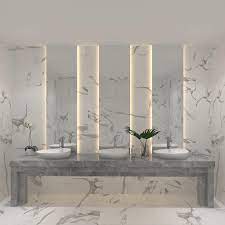
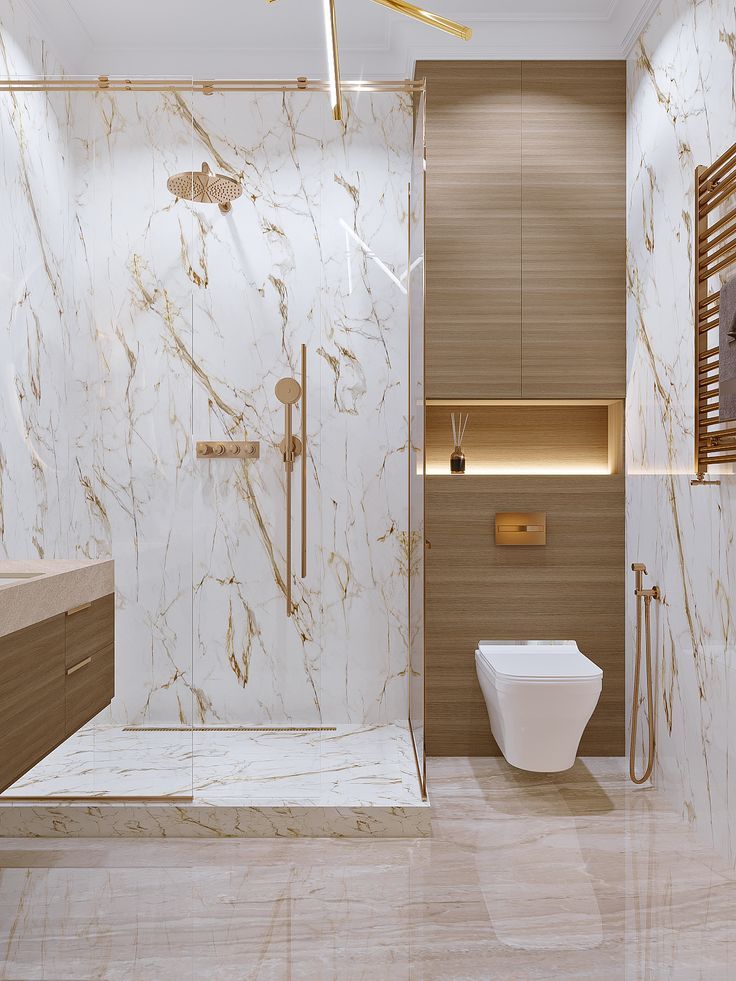
Luxury stone shower with strong architectural presence
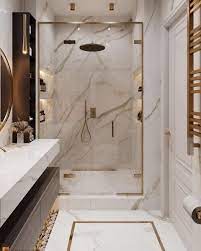
High-pressure spa showers work best when architecture and engineering move together. Architecture · MEP

Use this article as a planning framework only. Always confirm current technical data, listings, and installation requirements with manufacturer documentation and project engineers before issuing construction documents or operating high-pressure spa zones.

TAGS

Comments are closed