
Spa-Inspired Hotel Bathrooms: Creating a Retreat Feeling Within Commercial Constraints
A hotel bathroom is no longer just a place to freshen up; it’s a major part of what shapes guest satisfaction and defines your brand. When designing a spa-like bathroom in a commercial setting, you have to account for high turnover, tight budgets, maintenance requirements, and safety codes. The key is to choose upgrades that create emotional impact without driving costs too high. The following tips help strike the right balance between guest satisfaction, durability, and the practical realities of running a hotel.
Start With a Layered Lighting Plan
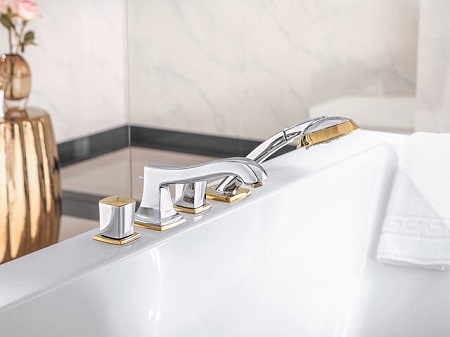
The quickest way to turn a clinical bathroom into a relaxing retreat is to upgrade the lighting. Layered lighting—overhead ambient, task lighting at the vanity, accent lighting for niches or artwork, plus dimming options—creates different moods for waking up and winding down. Guests increasingly value fixtures that don’t glare and that allow control over color temperature (warmer light for relaxing at night and cooler light for functional morning use) because these support circadian comfort. With the right lighting design, even modest materials can look and feel high-end, without the need to spend heavily on premium finishes.
Use recessed waterproof fixtures in wet areas, IP-rated LED strips behind mirrors, and centralized dimming or smart lighting scenes that housekeeping can easily reset between guests.
Prioritize Tactile, Durable Materials
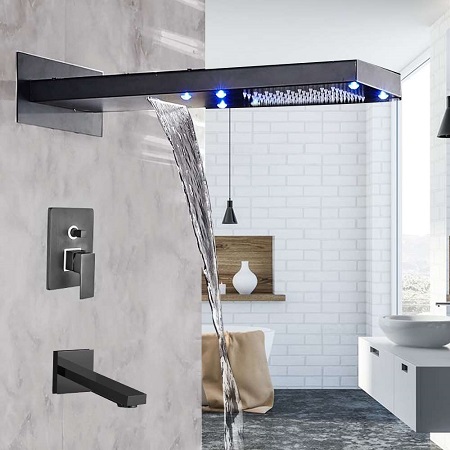
The materials you choose are critical to creating a spa-like atmosphere—think warm woods, polished stone, matte tiles, and soft fabrics. In hotels, you have to balance sensory appeal with ease of maintenance. For example, use non-porous engineered stone for vanities, high-PEI porcelain tiles for floors, and PVD-coated hardware for long-term durability. Solid-surface materials and high-quality ceramics are easy to clean and resistant to staining. Textures like linear tiles or softly honed finishes deliver a high-end look without relying on delicate surfaces. Durable, low-maintenance options help reduce the total cost of ownership while still feeling luxurious.
Operational tip: Before rollout, give housekeeping staff samples and mock-up materials so they can test how easy they are to clean and maintain.
Make The Shower The Centerpiece
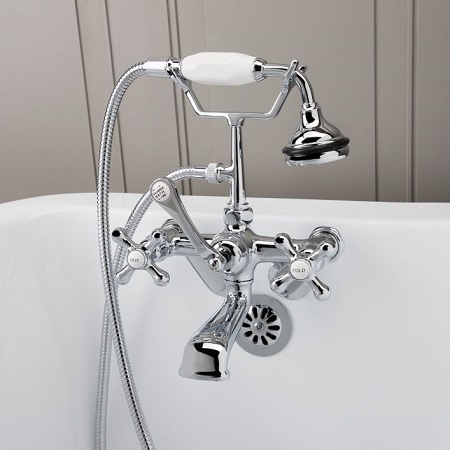
The shower experience is often the most important element of a spa bathroom. A therapeutic shower with a rainhead, hand spray, multi-jet panels, a built-in bench, and a thermostatic mixer delivers the most “wow” in the least amount of space. If a tub isn’t possible, offer a deep soaking niche or, in higher-end rooms, a hotel-quality freestanding tub. Thermostatic valves prevent guests from getting burned and reduce maintenance calls. Guests give immersive showers high marks when they are dependable and well equipped.
Note for engineers: Ensure the shower floor is properly sloped, the waterproofing is reliable, and the drain has sufficient capacity and easy access for service. To simplify maintenance and spare-parts management, select valves and cartridges from trusted commercial suppliers.
Sensory Layers: Scent, Sound, And Textiles
Scent is a powerful memory anchor. Branded toiletries, a discreet in-bathroom diffuser on a timer, or aroma sachets during turn-down service can all help create a signature scent. Soft, high-GSM towels, plush non-slip bath mats, and thoughtfully placed seating all make the space feel more premium. For true relaxation, consider adding a soft background sound option in suites, such as white noise or nature sounds played through the room audio system or a shower speaker. These sensory touches don’t cost much but work extremely well.
Sustainability tip: Use refillable amenity dispensers to reduce single-use waste while still maintaining a polished, high-end look.
Smart Controls And Simple Automation
Smart thermostats for room climate control and programmable lighting scenes make life easier and save energy. Sensor-based exhaust fans keep humidity in check without guests needing to do anything. However, complexity is only valuable if it is reliable. It’s better to use simple, hotel-grade control systems that don’t require guests to “program” them. Most guests prefer a straightforward “spa” scene button (dim lights, heater on, audio on) over a complicated app-driven setup.
Note for maintenance: Choose vendors that provide strong customer support and offer replacement parts that are easy to source.
Small-Scale Luxury Amenities
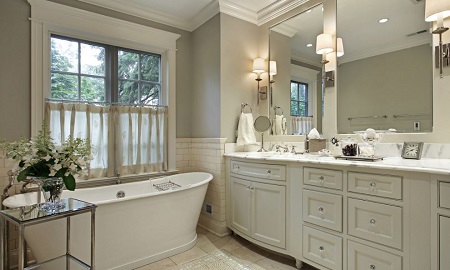
In premium rooms, offer a curated selection of high-end bathroom items, such as spa salts, a high-quality shampoo and conditioner line, a soft robe, and slippers. Branded, well-designed dispensers and luxury amenities make guests feel they are getting more value for their money and increase the likelihood that they will return, often for only a small additional cost. The way these items are packaged and presented matters: a simple tray, clearly labeled dispensers, and subtle signage all enhance the experience.
Design For Housekeeping And Durability
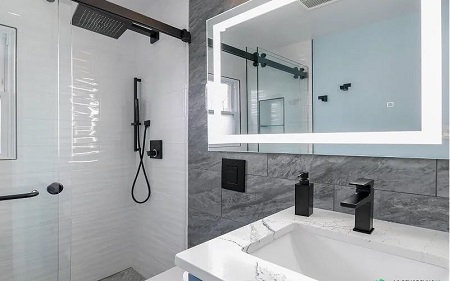
A spa look that doesn’t hold up ends up costing more in the long run. Specify tile systems that don’t require grout, faucets that can be serviced with replacement cartridges, and plumbing chases that are easy to access. Use strong fasteners for mirrors and fixtures, and ensure the edges of vanity overhangs are well protected. Create a checklist of cleaning and reset tasks tied to the design—such as restoring lighting scenes, cleaning diffuser units, and restocking amenity trays. Then train staff on delivering the “signature” experience so it’s consistent for every guest.
Accessibility And Safety Without Sacrificing Style
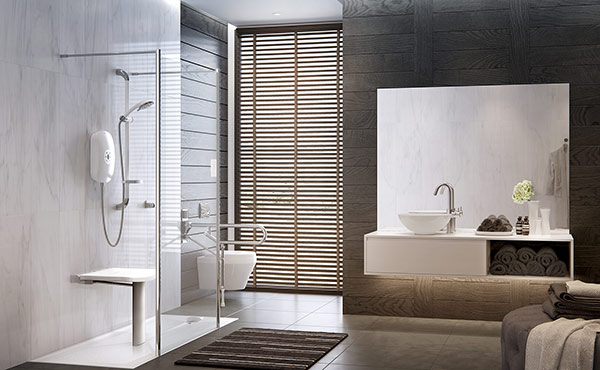
A truly spa-like hotel bathroom should be comfortable for everyone. Use non-slip floor finishes, discreet grab bars that match the color scheme, curbless showers where possible, and clear visual cues. These elements will feel like a natural part of the design rather than something added “for a reason.”
Quick ROI & Implementation Roadmap
- Test a “spa package” in a small number of rooms—around 10%—to see how it affects bookings and to gather feedback from guests.
- Start by upgrading the lighting and shower fixtures, as these elements create the greatest impact for the least investment.
- To reduce inventory and simplify maintenance, establish two to three vetted material palettes as your standard.
- Teach housekeeping staff how to use the experience checklist and set a clear schedule for when supplies should be restocked.
Comments are closed