Hospitality Showers · High-Pressure Spa Showers
High-Pressure Showers in Spas
Pros, Cons & Design Strategies for AEC Teams
Powerful, high-pressure showers are a signature of many spa and wellness concepts. But
higher pressure also brings trade-offs in water consumption, acoustics, envelope design,
and guest comfort. This guide examines the pros and cons of high-pressure showering and
how to design systems that feel luxurious without overwhelming the building or the guest.
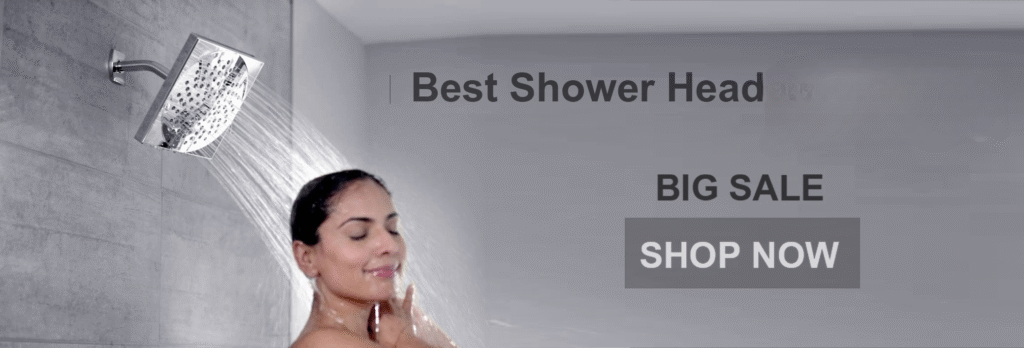
How High-Pressure Showers Change the Spa Design Conversation
In many spa and wellness concepts, guests equate a “good shower” with a certain feeling of
pressure and coverage. AEC teams, however, have to translate that subjective impression
into real numbers: available pressure at the floor, combined flow rate,
acoustic impact, and water/energy budgets.
High-pressure showers aren’t just about more water. Nozzle design, spray pattern, and valve
logic all contribute to the experience — and to the mechanical and envelope demands behind
the wall.

Spray pattern · Comfort
1. Pros of High-Pressure Showers in Spa Environments
Used thoughtfully, high-pressure showers can be a powerful differentiator for spas,
hydrotherapy circuits, and wellness suites. The main advantages from a guest and brand
perspective include:
-
Deep massage sensation: Narrower jets at higher momentum can mimic
a massage effect on shoulders, neck, and back — especially when combined with body
jets or side sprays. -
Quick, satisfying rinsing: Guests with long hair or body treatments
appreciate showers that rinse products quickly without extended dwell times. -
Perception of “power” and value: In many markets, a “strong shower”
is perceived as a core indicator of quality, especially in spa and resort properties. -
Thermal comfort in cool rooms: High-velocity droplets can reduce the
feeling of drafts in larger, cooler spa spaces when combined with correct air control.
comfortable,” “hydro-massage,” or “soft rain.” This keeps pressure, flow, and head
selection aligned across spa zones and room types.
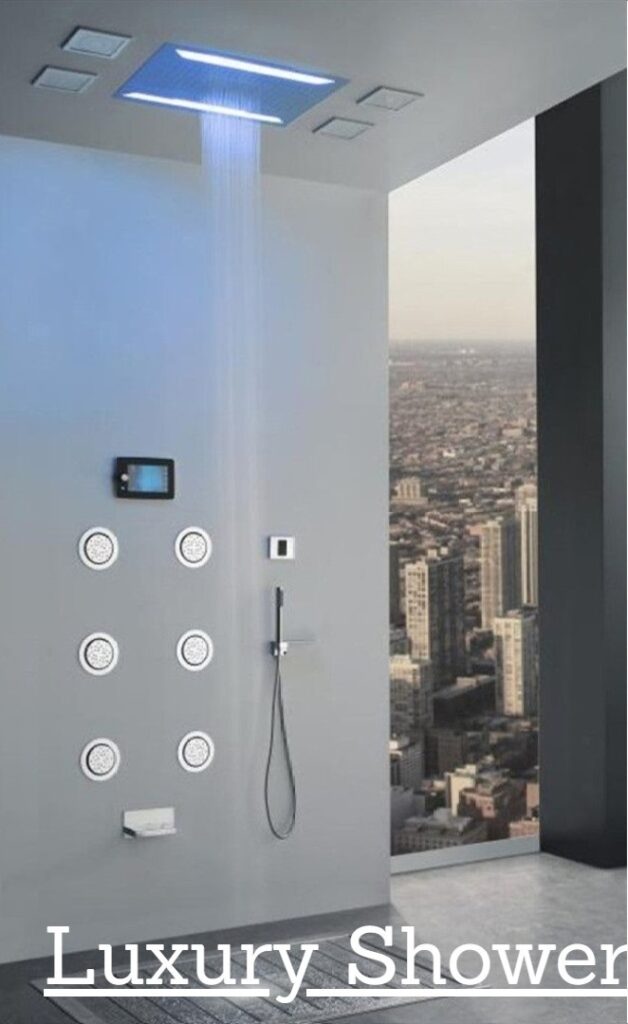
Signature · Spa zones
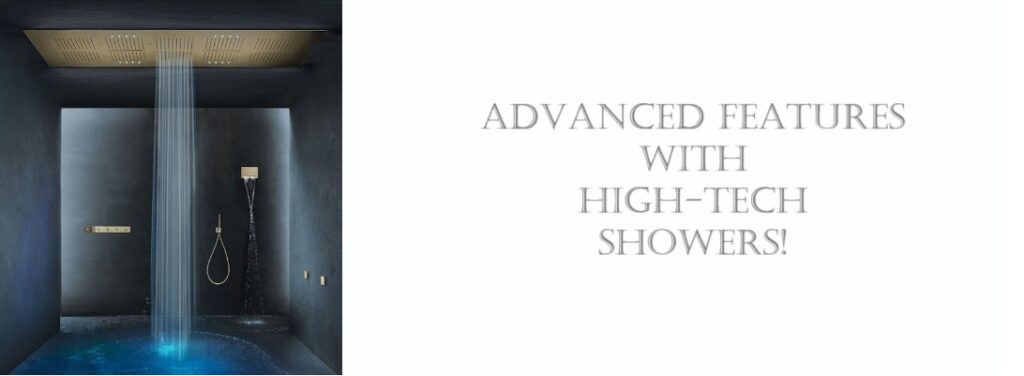
Modes · Variety
2. Cons & Risks of High-Pressure Showers
The same characteristics that make high-pressure showers memorable can also create
challenges in real buildings. AEC teams need to anticipate the most common drawbacks:
-
Higher water and energy use: Even at the same flow rate, longer
dwell times encouraged by “wow-factor” showers can raise consumption; truly higher
flow rates will do so even more. -
Noise and acoustics: High-velocity spray can be noticeably louder,
especially in hard-surfaced spa rooms, affecting adjacent spaces. -
Skin and comfort sensitivities: Not all guests tolerate intense
spray, especially over the face or sensitive skin areas. -
Overspray and envelope stress: Strong lateral splash puts more
demand on waterproofing, thresholds, and glass details.
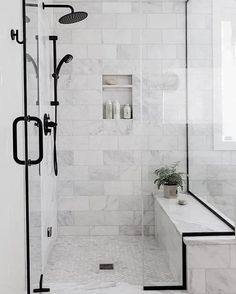
Balance · Comfort

Waterfall · Overspray
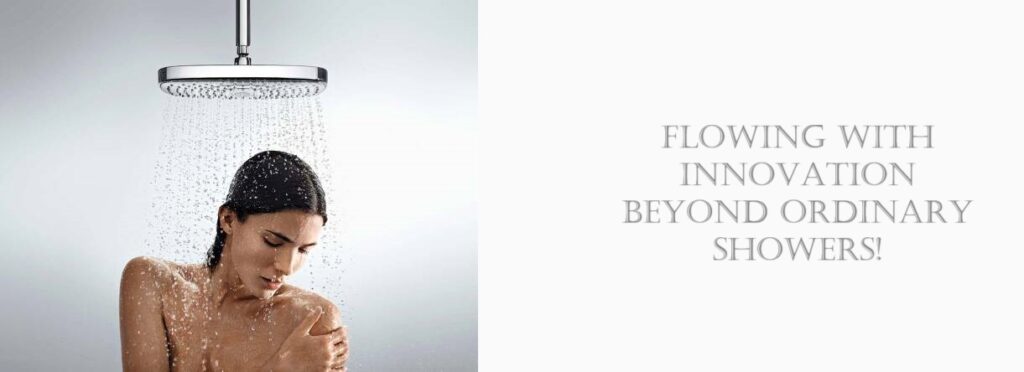
Innovation · Limits
3. Hydraulics, Envelope & Acoustics with High-Pressure Showers
High-pressure concepts need more than just a “strong showerhead.” They depend on
coordinated hydraulics, careful enclosure design, and acoustic planning:
-
Pressure at the head, not just at the riser: Long runs, restrictive
valves, or small piping can erase the perceived benefit, even if riser pressures
look generous on paper. -
Drainage & slope: More splash and higher droplet momentum
increase the risk of water where it doesn’t belong; floor slopes and drain locations
become critical. -
Glass and threshold detailing: High-pressure systems leak quickly
through small gaps; seals, sweeps, and returns matter. -
Acoustic separation: More impact noise on tile, glass, and pans
requires better partition detailing, especially near guestrooms and quiet zones.
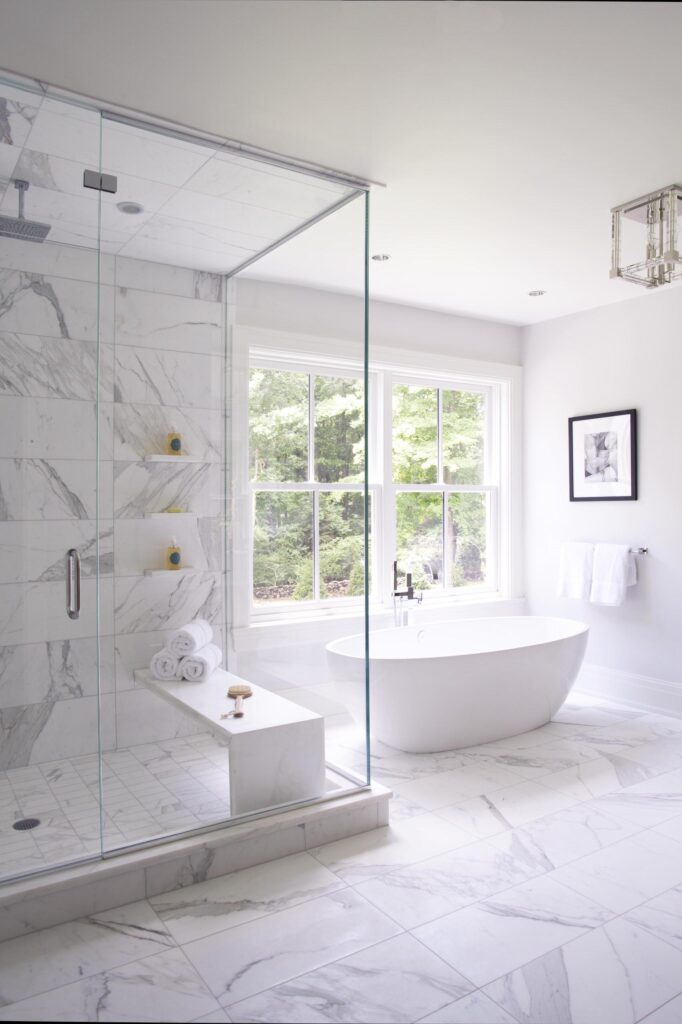
Envelope · Drainage
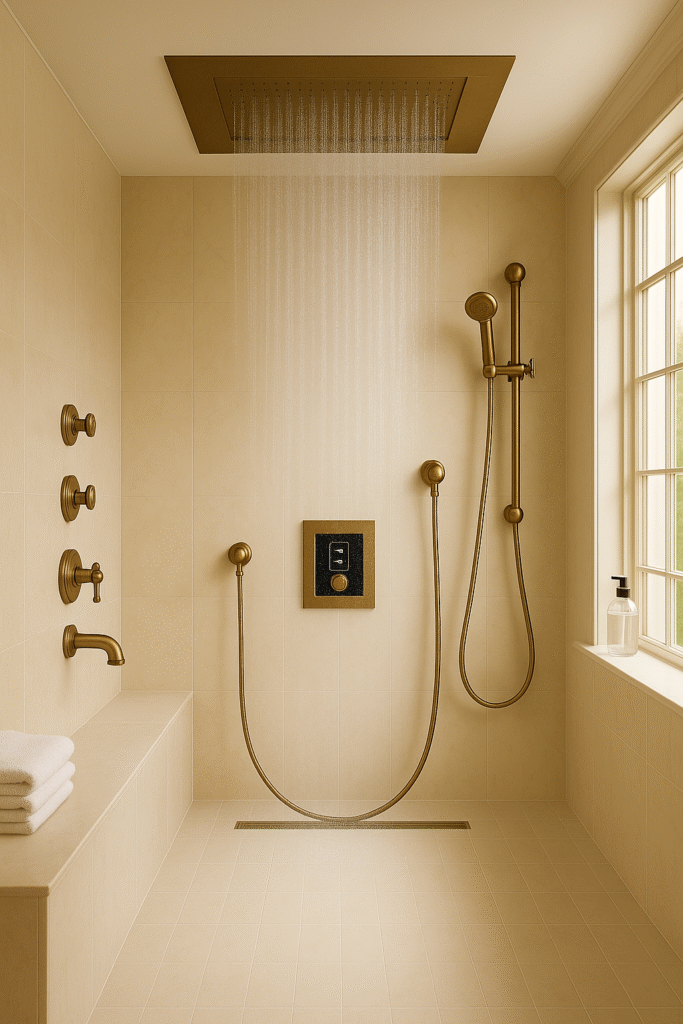
Limits · Controls
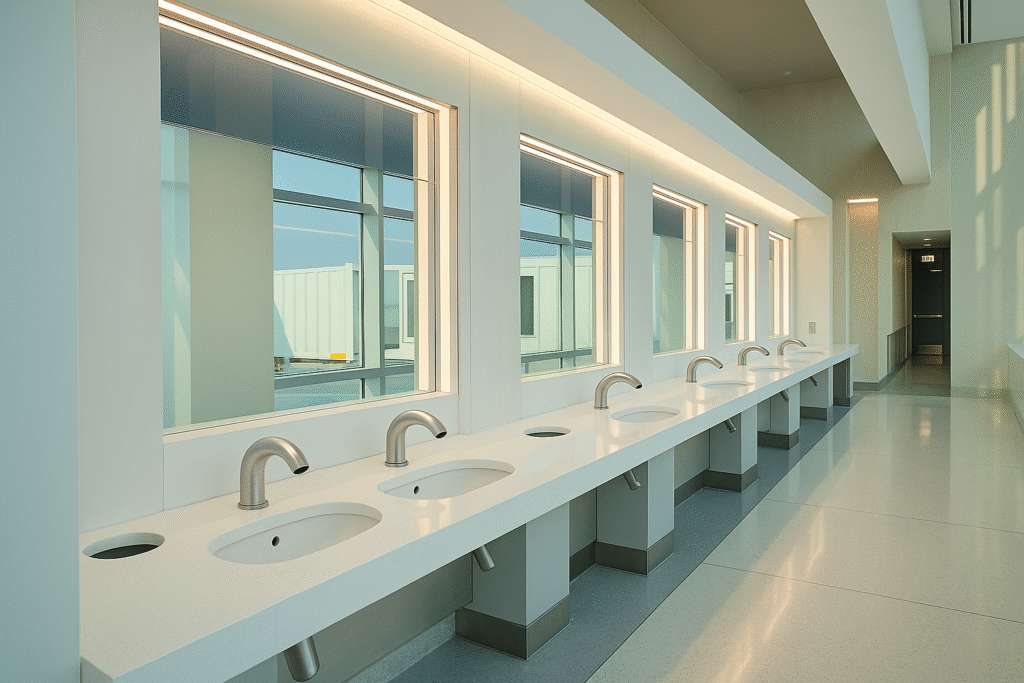
Functions · Zoning

Modeling · Visualization
4. Operations, Maintenance & Long-Term Performance
High-pressure systems also change what housekeeping and engineering teams experience
over the life of the spa:
-
Scale and clogging: Smaller nozzles and more intricate jet
geometries can clog faster in hard water conditions. -
Wear on finishes: Higher droplet velocity can accelerate wear at
certain locations if water hits the same points repeatedly. -
Cleaning effort: Niches, benches, and glass near high-pressure
heads may see more spotting and soap accumulation. -
Valve and cartridge life: Frequent high-demand operation may
reveal weaknesses in marginal valve selections sooner.
recommended cleaning products, filter strategies, and spare parts stocking for
high-pressure components.
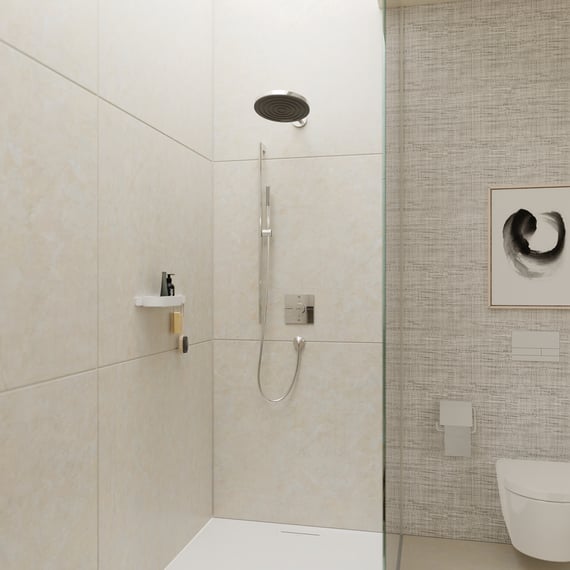
Nozzles · Descale
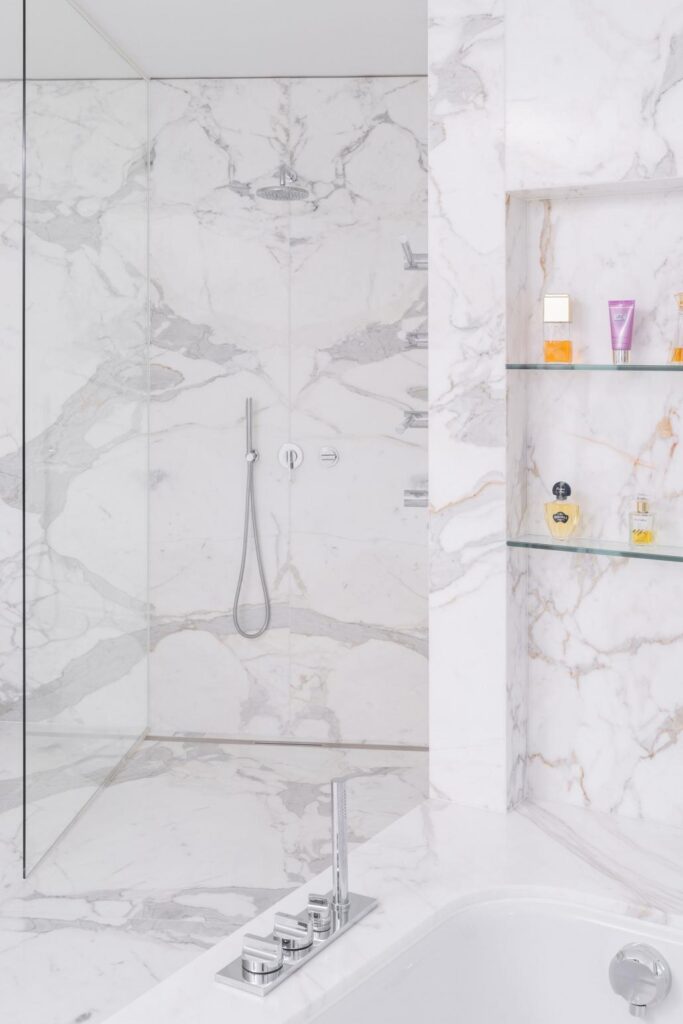
Housekeeping
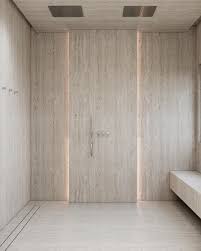
Shared zones
5. Design Templates · Balancing Pressure, Comfort & Performance
Template A – “Firm but Comfortable” Spa Shower
For most spa treatment rooms and wellness suites, a moderate interpretation of
high-pressure works best:
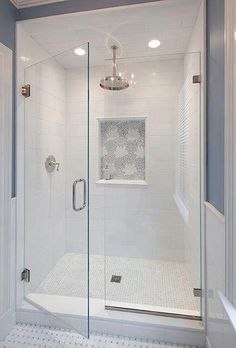
- Single large rain or hybrid head tuned for firm but not aggressive spray.
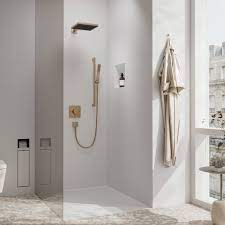
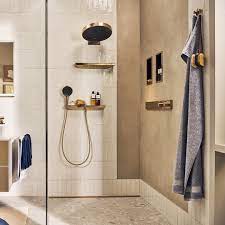
- Handshower for flexible rinsing and accessibility.
- Thermostatic or digital control with maximum temperature limits.
- Enclosure details that handle occasional overspray without drama.
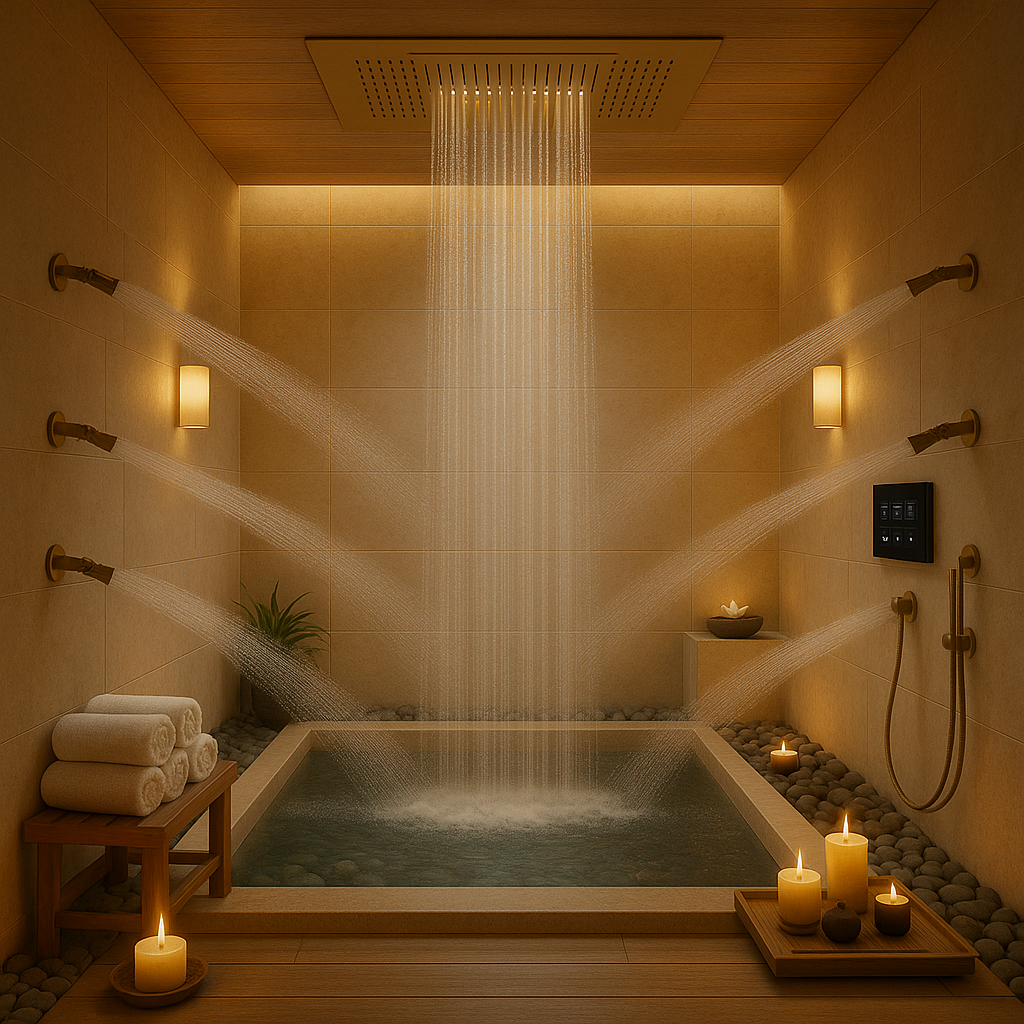
Template B – Hydro-Massage Station
For specific hydrotherapy or contrast-shower stations:
- Multiple side jets and overhead heads with targeted high-pressure modes.
- Clear labeling of “intense” vs. “gentle” modes.
- Dedicated drainage, waterproofing, and acoustic detailing.
Template C – Smart-Enabled High-Pressure Spa Suite
For flagship suites with digital control:
- Digital valve with presets for “Rain,” “Massage,” and “Soft Spa.”
- Pressure and flow-limiting logic inside the digital platform.
- Analytics for operators to monitor usage patterns and dwell times.

Head design
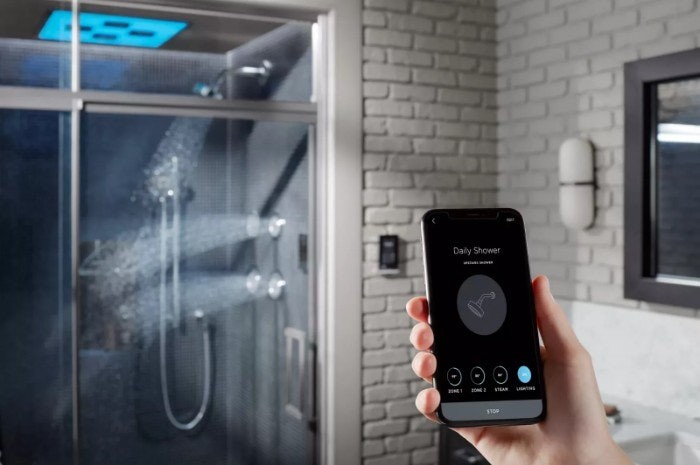
Zoning
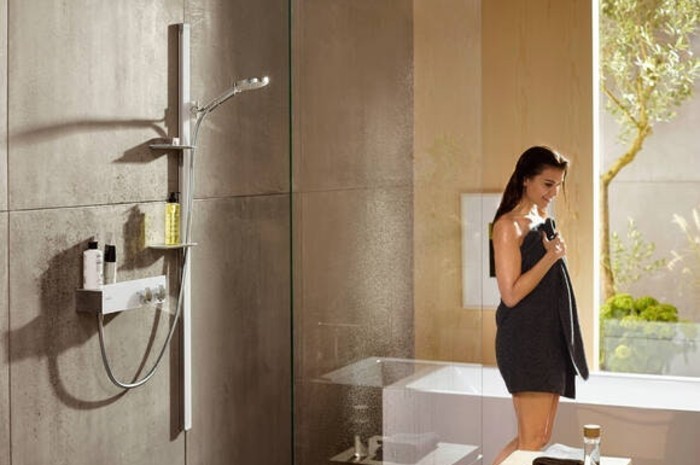
Intent · Modeling
Expectation · Reality
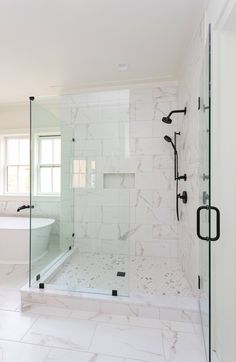
Lightweight feel
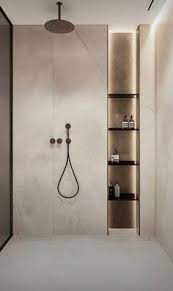
Compact · Tuned
Group zones
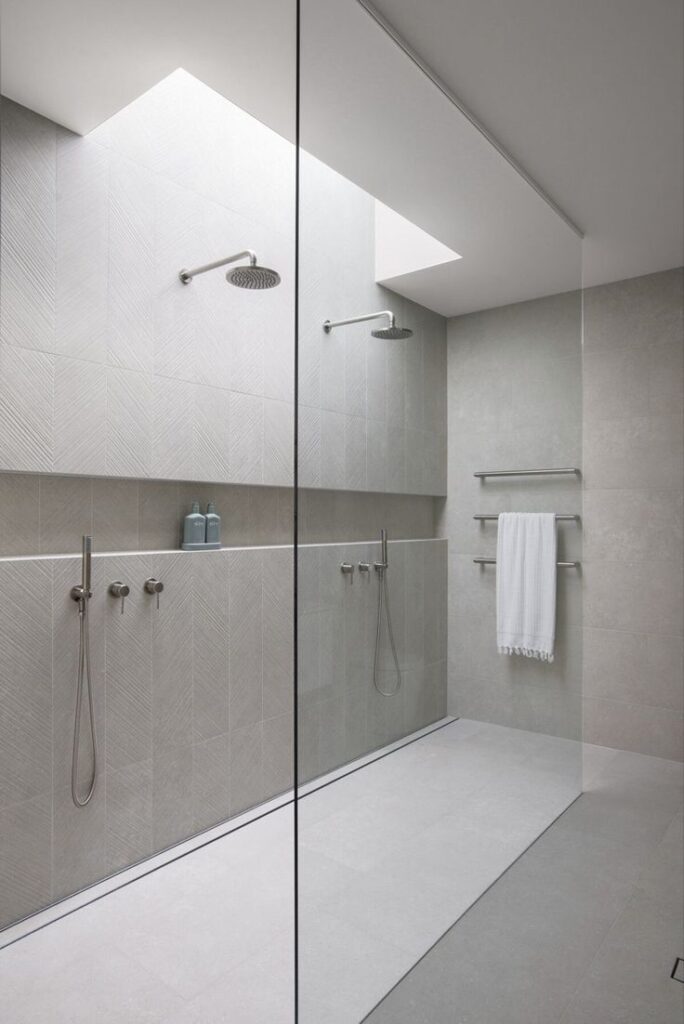
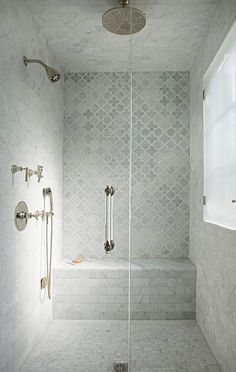
Benches · Waterproofing
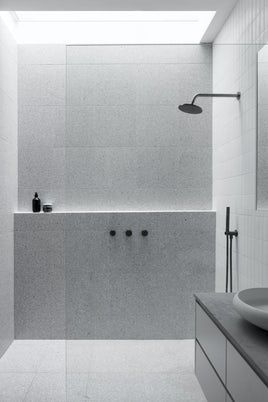
Open plan
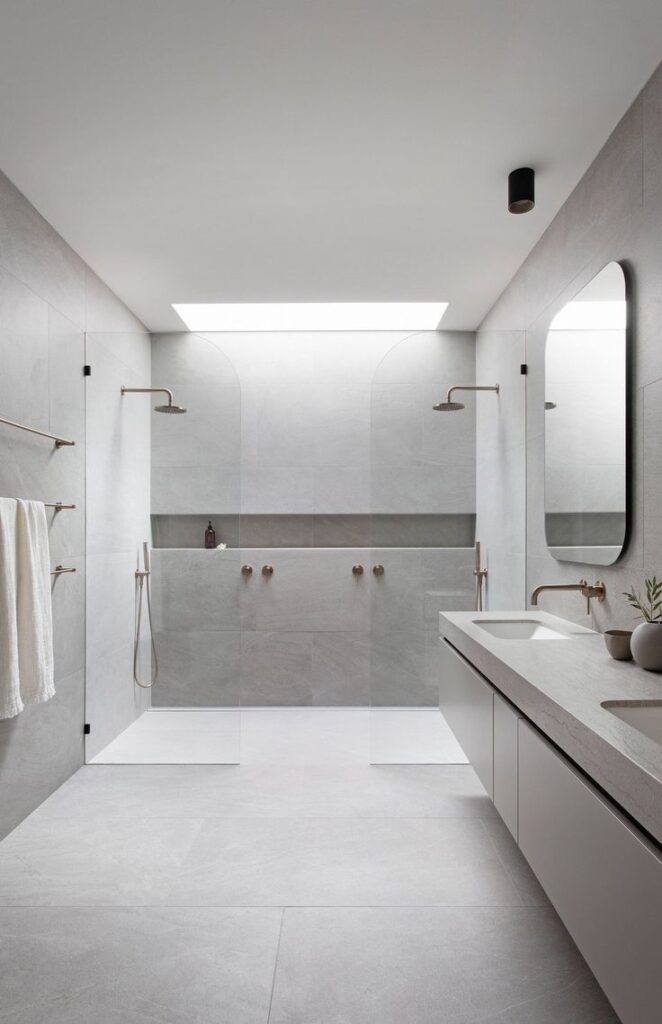
Textures
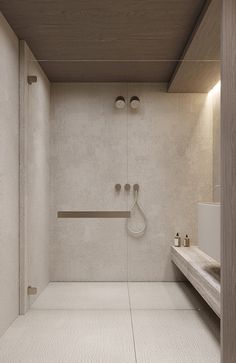
Combined wet room
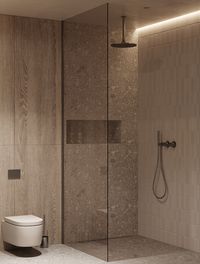
Visibility
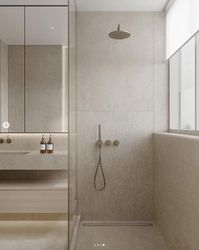
Drain sizing
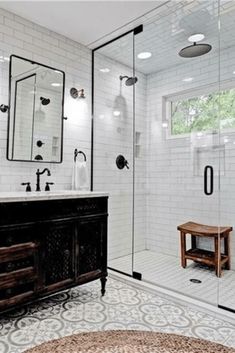
Finishes
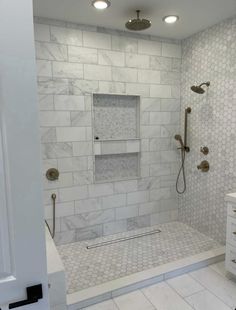
Openings
Lighting
Skylight
Minimalist
Accessibility
Contrast
Volume · Acoustics
Scale · Intensity
Pattern
Perception
Wet room
Architecture · MEP
Comments are closed