
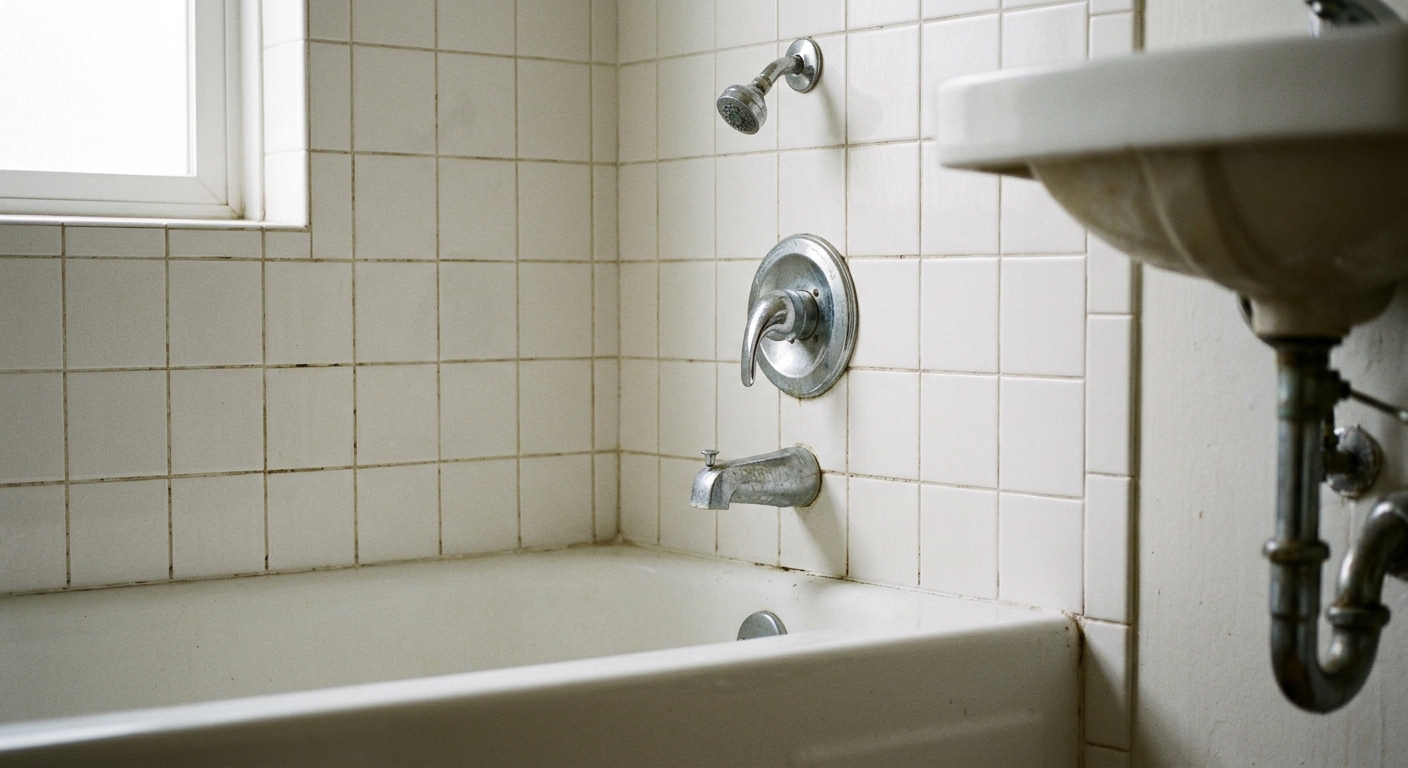
Finish and control-set trends move on a two-to-three year cycle. Your PIP runs five to seven years. That mismatch is the actual budgeting problem: fixtures that look dated well before the brand requires you to touch them, forcing an owner to choose between an ugly bathroom and an unbudgeted capex spend. Size your per-key FF&E budget around plumbing life, not finish fashion, and you avoid both.
Why Finish Trends Outrun Plumbing Life
A well-specified shower valve, tub filler, or lavatory faucet has a mechanical service life well past ten years if the cartridge and body are commercial-grade. The finish on that same fixture goes out of fashion much faster. Brushed nickel gave way to matte black, matte black is giving way to brushed brass and warm bronze, and each swing takes about three to four years to move through the hospitality pipeline from boutique early-adopters to mainstream brand standards.
The functional core of a faucet or valve doesn’t know what year it is. The PVD coating on the outside does. This is why owners who bought heavily into one trend finish often find themselves with bathrooms that read as dated at year four, two to three years before any brand-mandated PIP forces a fix.
The Hidden Cost of a Mid-Cycle Refresh
A mid-cycle finish refresh is not a like-for-like swap. If your original fixtures were specified with proprietary trim kits or discontinued finish codes, matching orphaned fixtures in a partial refresh often costs more per unit than the original bulk order, because you lose volume pricing and gain expedite fees. Add labor to pull and reset fixtures in a room that otherwise doesn’t need work, and a “just the finish” refresh can run close to the cost of a full bath renovation on a per-key basis.
There’s also downtime cost. Rooms out of service for a finish-only refresh still cost you the same housekeeping and opportunity loss as a full renovation, but you’re absorbing it twice: once now, once again at the real PIP cycle.
Fixtures Built to Survive a 7-Year PIP
The fixtures that hold up across a full PIP cycle share three traits: neutral finish, standard connections, and duty-rated internals. Specify around those and you buy time back.
- Neutral finishes. Polished chrome and brushed nickel remain the safest long-cycle choices. They don’t read as trendy or dated; they read as bathroom hardware. Save the statement finish for low-quantity accent pieces, not the base spec across every key.
- Standard 1/2 inch NPT connections. Fixtures built on the common 1/2 inch NPT supply connection let you swap a showerhead, faucet, or valve trim independently of the rough-in behind the wall. This is the single biggest lever for cross-cycle flexibility: if the connection is standard, you can update the visible fixture without touching plumbing that’s buried in the wall or floor.
- Duty-rated cartridges and valve bodies. Residential-grade internals are not built for the cycle count a hotel bathroom sees. Ceramic disc cartridges rated for commercial duty cost more up front and cost less over seven years of guest turnover.
Showerheads deserve a specific note. Federal maximum flow is 2.5 gpm, California caps at 1.8 gpm, but many hospitality specs are now moving to 2.0 gpm (7.6 lpm) as a voluntary standard, both for water cost and because several sustainability certification programs use it as a benchmark. Specifying at 2.0 gpm now means you’re not forced into a mid-cycle swap when a future brand mandate or certification requirement catches up to a 2.5 gpm spec you locked in today.
Sizing Fixture Spend Against Budget Per Key
Bathroom FF&E, meaning the faucet set, shower valve and head, tub filler if applicable, and any exposed trim, typically runs $800 to $2,500 per key depending on brand tier and whether you’re doing a full case-good and tile renovation alongside it or fixtures only. Limited-service and select-service brands cluster toward the lower end; upper-upscale and full-service properties with soaking tubs, rain shower heads, or dual controls run toward the top.
The budgeting mistake is spending 80 percent of that number on finish and trim style and 20 percent on the internals that determine whether you’re back in this budget line before the PIP requires it. Flip that ratio. A commercial-duty valve body with a neutral finish costs more than a decorative one with a builder-grade cartridge, but it’s the version that’s still functioning and still looking current at year six.
Kitchen and back-of-house plumbing follows the same logic but with a harder duty cycle. If your property spec includes a service kitchen or guest laundry pantry sink, the fixture needs to handle continuous use rather than the intermittent guest-room cycle; this is the gap where commercial kitchen faucets are specified separately from guestroom lavatory sets, since the duty rating and spray patterns differ from what a bathroom faucet needs to do.
Specifying to Brand Refresh Timelines
Every major brand publishes a PIP cycle, typically five to seven years for interior finishes and fixtures, sometimes shorter for soft goods. Pull that document before you finalize fixture selection, not after. If your brand’s next scheduled PIP is six years out, specify fixtures rated for at least that service life with a finish that won’t need defending in a brand inspection at year four.
Cross-reference ADA operable-parts requirements at the same time. Fixtures and controls in accessible rooms need reach ranges between 15 and 48 inches and operable with a closed fist, meaning lever handles or push-button controls, not fixtures requiring tight grasping or twisting. Building this into the initial spec avoids a compliance-driven mid-cycle swap that has nothing to do with style and everything to do with a code citation.
| Fixture Type | Realistic Finish Life | Realistic Mechanical Life | Spec Priority |
|---|---|---|---|
| Lavatory faucet | 3-4 years | 8-10+ years | Neutral finish, ceramic cartridge, standard supply lines |
| Shower valve/trim | 4-5 years | 10+ years | 1/2 inch NPT trim compatibility, commercial cartridge |
| Showerhead | 3-4 years (style) | 7-10 years | 2.0 gpm flow rate, standard thread for easy swap |
| Tub filler | 4-5 years | 10+ years | Neutral finish, verify deck vs wall-mount rough-in match |
Before finalizing your fixture package, confirm three things with your FF&E procurement team: that every fixture uses standard 1/2 inch NPT connections so trim can be updated without re-plumbing, that shower flow rates are specified at 2.0 gpm to get ahead of tightening standards, and that your chosen finish has a documented five-plus year presence in the hospitality market rather than a single season of design-blog attention. Get those three right and your bathroom fixtures will still look and function correctly the day your PIP actually requires you to open the walls.