
Luxury Hotel Bathtubs: Brands, Materials & Hospitality Specification
A luxury bathtub can anchor the visual identity of a hotel suite, but hospitality specification cannot stop at appearance. Architects, designers, developers and procurement teams should coordinate dry weight, filled weight, soaking depth, entry height, drainage, filler reach, hot-water demand, housekeeping clearance, surface durability and accessibility requirements before a bathtub reaches construction documents. This guide compares leading bathtub options while placing design decisions in the context of actual hotel operation and lifecycle performance.
Hospitality Bathtub Specification Principle
Do not select a hotel bathtub from dimensions and styling alone. Evaluate the complete installed assembly: tub weight, water volume, guest loading, drain location, filler geometry, service access, floor structure, hot-water recovery, housekeeping clearance and the requirements of any accessible guestroom in which the bathing fixture will be installed.
What Changes When a Bathtub Is Specified for a Hotel?
Hospitality bathtubs operate within a different decision framework from a typical residential remodel. One bathtub selection may be repeated across guestrooms, suites or multiple properties, so small installation and maintenance issues can multiply at portfolio scale.
Review the tub, water and anticipated occupant load with the project structural design.
Confirm waste location, overflow, rough-in, spout projection and valve access before finishes are installed.
Exterior surfaces and surrounding floor areas should remain practical to clean during repeated guestroom turns.
Wall height, interior contour, depth and control location influence both comfort and entry/exit.
Five Luxury Bathtubs Compared for Hospitality Applications
These bathtub selections are compared around hotel application, installation planning, guest experience and operational considerations. Exact dimensions, capacities, weights and availability should be reconfirmed from current manufacturer documentation before procurement.

Stargaze® 72-Inch Bath with Bask®
A large acrylic freestanding bath combining sculptural form with an experience-focused heated surface, making it better suited to premium suites than standardized guestroom programs.
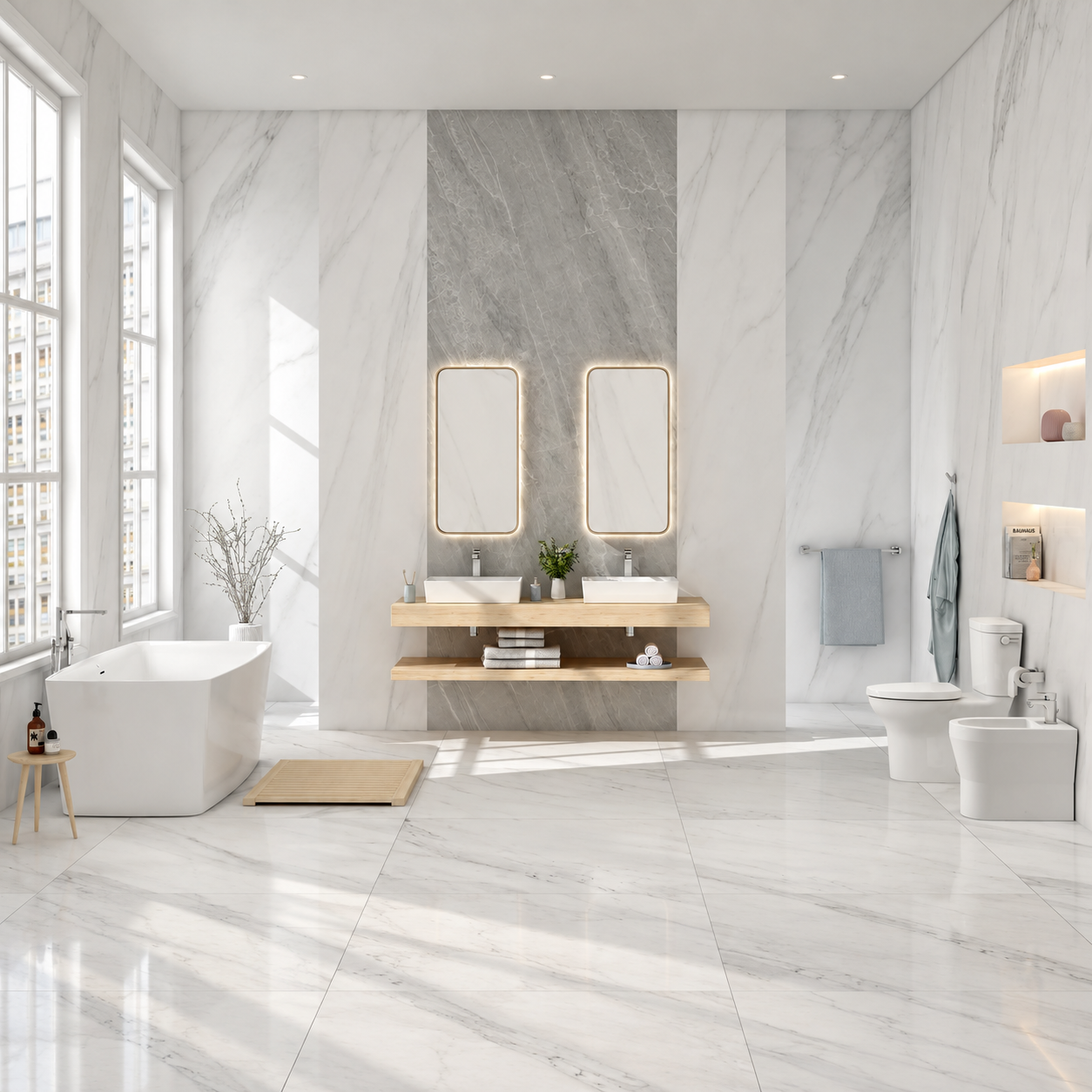
Equility® Freestanding Tub
A contemporary fiberglass-reinforced acrylic bath combining restrained geometry with an integrated drain and a deep soaking format.
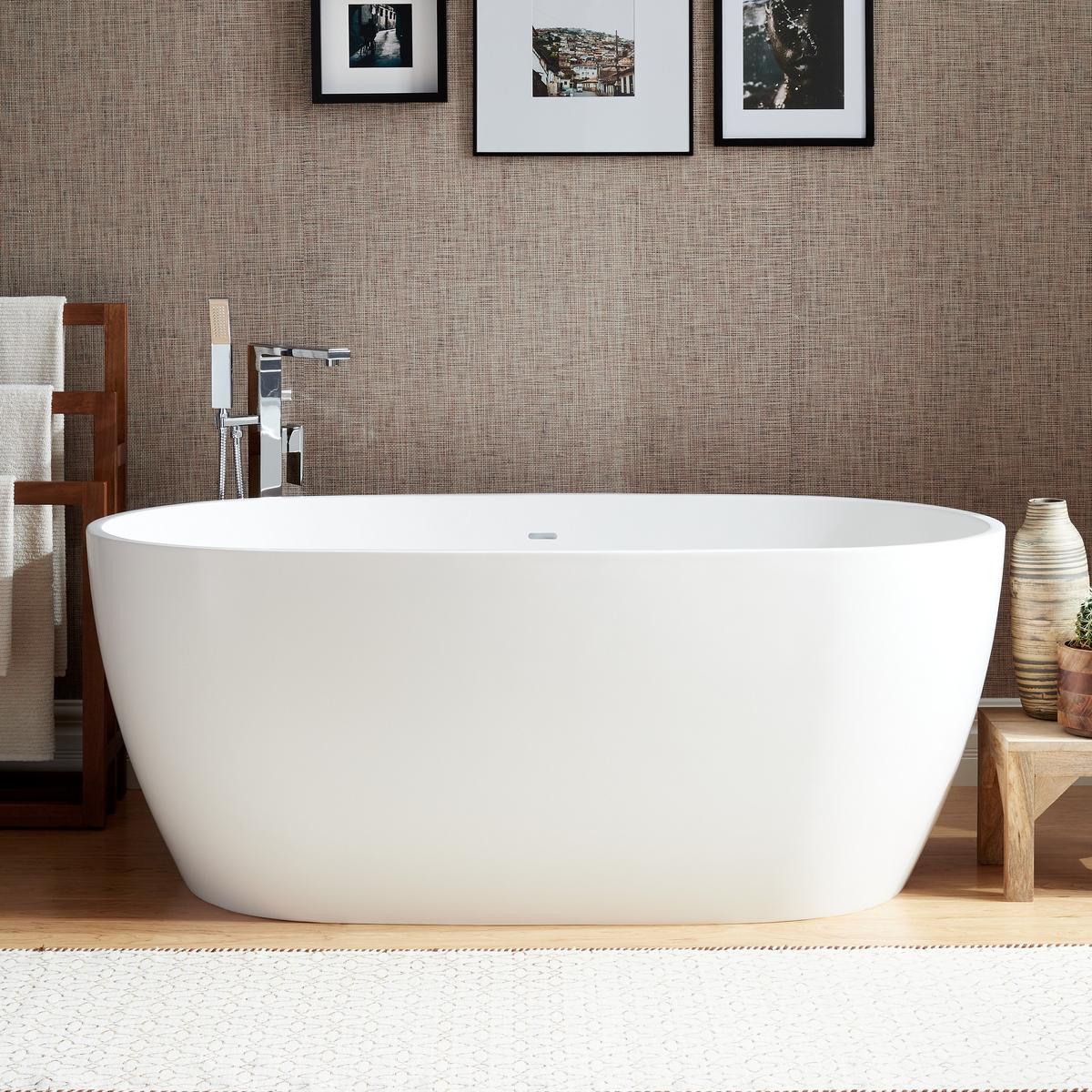
Ocala 59-Inch Solid-Surface Tub
A compact solid-surface bathtub that provides a more substantial material presence than many lightweight acrylic options.
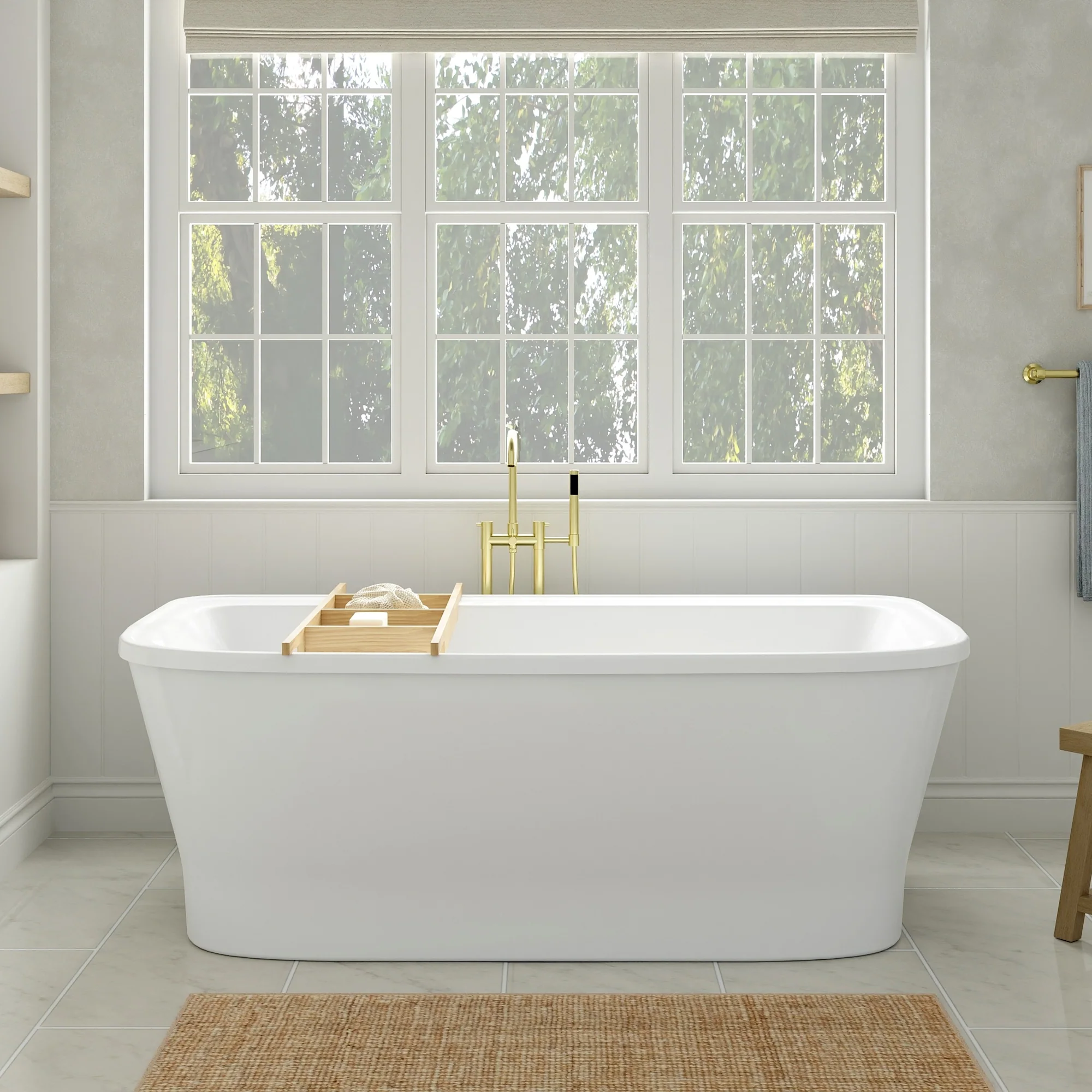
Aspirations 60-Inch Freestanding Bath
A relatively compact freestanding bath whose straight-back geometry can work more efficiently in rooms where a fully exposed oval bathtub consumes too much circulation area.
Hospitality Bathtub Comparison Matrix
The right bathtub depends on room type, structural capacity, plumbing strategy, maintenance model and the level of guest experience being targeted.
| Product | Material Direction | Hospitality Strength | Planning Issue | Typical Hotel Fit |
|---|---|---|---|---|
| Kohler Stargaze | Acrylic | Heated surface and visual presence | Large footprint | Presidential suites / resort villas |
| DXV Equility | Reinforced acrylic | Contemporary geometry | Hot-water demand | Urban luxury hotels |
| Signature Hardware Ocala | Solid surface | Compact but substantial form | Weight and handling | Luxury suites |
| American Standard Aspirations | Acrylic | Space-conscious soaking | Entry height | Premium guestrooms / suites |
| Kallista Per Se | Cast stone | Architectural statement | Weight / premium positioning | Signature luxury suites |
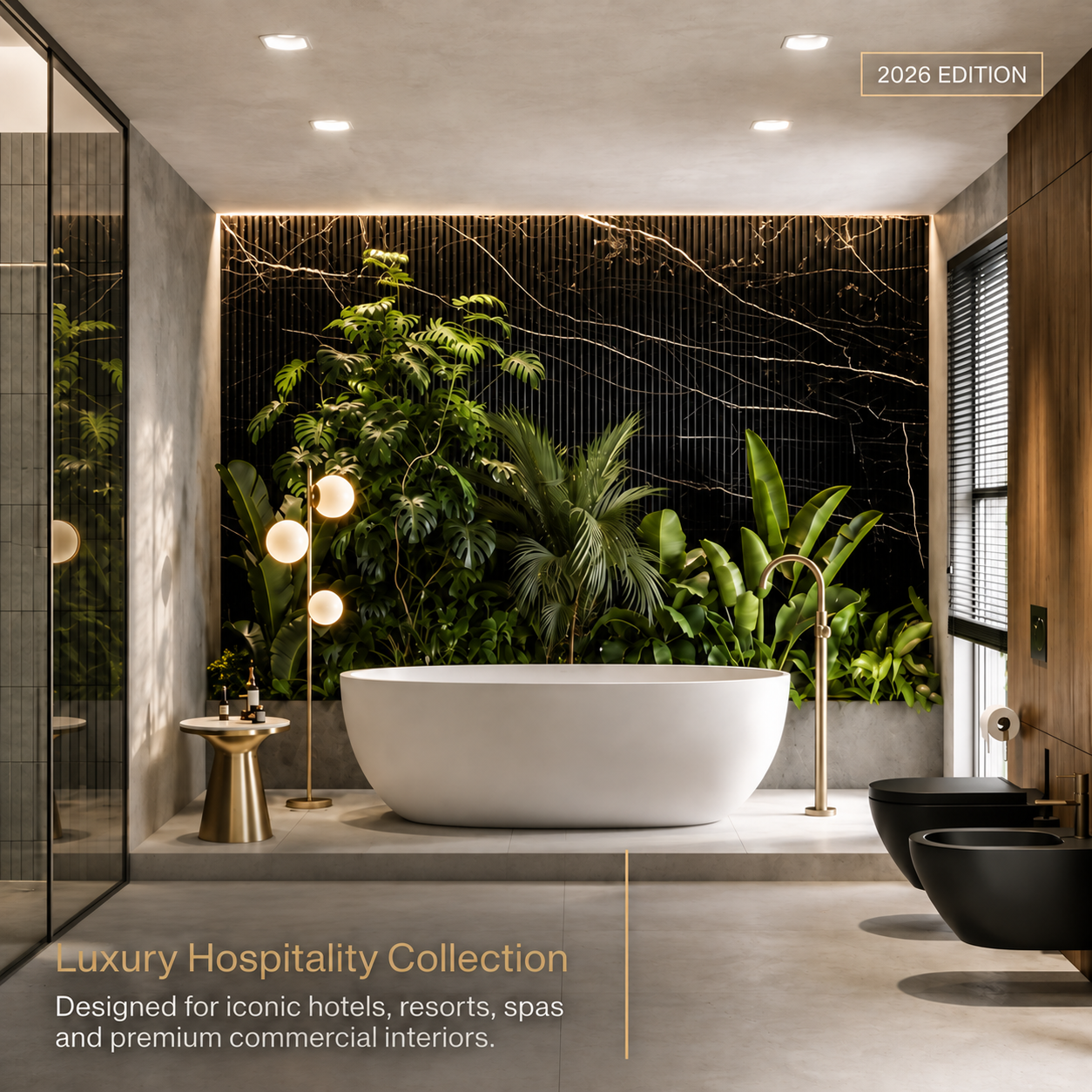
Hotel Bathtub Design & Installation Context
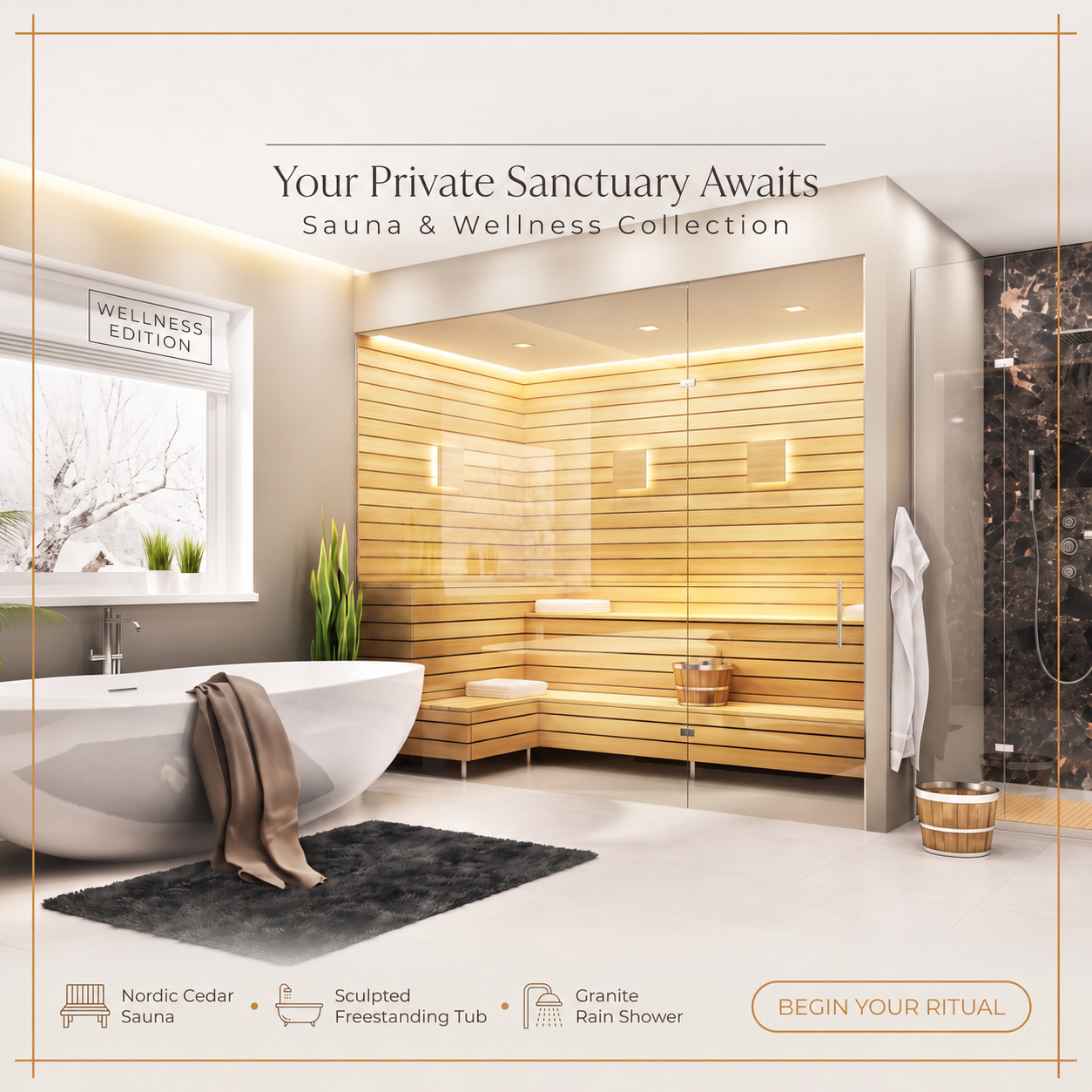
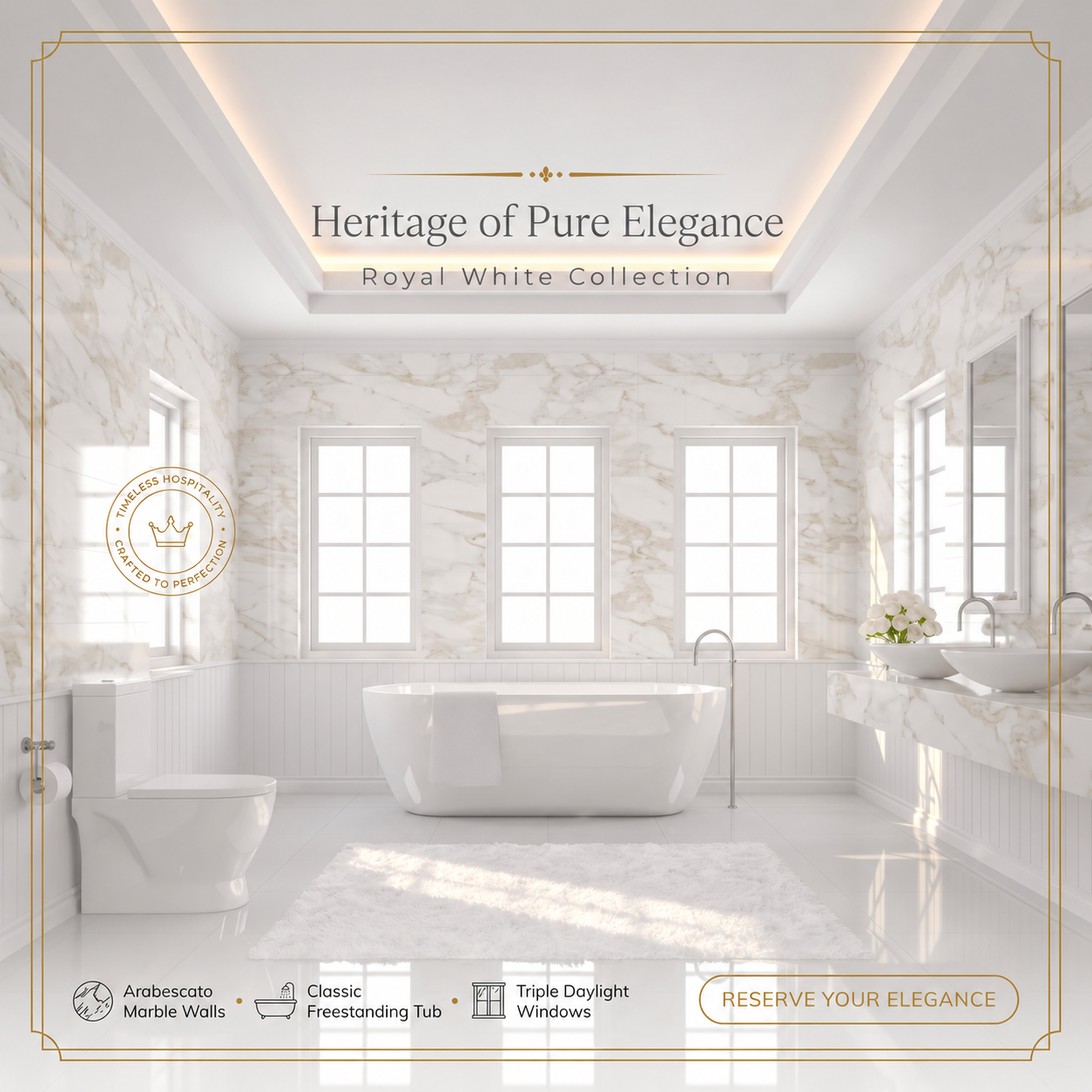
Use these square positions for real hospitality project photography, bathtub installation details, filler coordination, drainage details or guest-suite bathroom imagery.
More Bathtub Brands Hospitality Specifiers Should Know
A useful hotel bathtub shortlist should extend beyond five models. Additional manufacturers give project teams different material, wellness, dimensional and design directions to investigate.
Duravit
Duravit maintains freestanding, built-in, back-to-wall and other bathtub configurations across multiple collections. Its technical product resources are useful when architects need model-specific dimensions and installation documentation.
Explore Duravit Bathtubs →TOTO
TOTO offers sculptural freestanding bathtub platforms that can be relevant where a hotel positions the bathroom as part of a wellness or premium guest experience.
Explore TOTO Bathtubs →MTI Baths
MTI maintains freestanding, acrylic, solid-surface and therapy-focused bath options, useful for hospitality projects seeking broader material and wellness configurations.
Explore MTI Baths →Jacuzzi®
Jacuzzi offers freestanding bathing products within a broader wellness and hydrotherapy portfolio. Exact hospitality suitability should be evaluated model by model.
Explore Jacuzzi Baths →Bathtub Materials Compared for Hotel Operations
Material selection affects much more than appearance. It changes transportation, installation, structural loading, surface care, thermal behavior and long-term housekeeping requirements.
| Material | Relative Weight | Hospitality Advantage | Primary Coordination Issue | Good Application |
|---|---|---|---|---|
| Acrylic | Generally lighter | Broad choice and easier handling | Support and surface-care requirements vary | Large room programs |
| Solid Surface | Higher | Monolithic premium appearance | Weight and logistics | Luxury suites |
| Cast Stone / Mineral Composite | Higher | Premium architectural mass | Structural loading | Signature rooms |
| Enameled Cast Iron | Very high | Durable surface and thermal mass | Handling and floor loading | Traditional luxury projects |
The Hidden Engineering Behind a Luxury Hotel Bathtub
A freestanding bathtub often appears to be one of the simplest objects in a hotel bathroom, but it can create several major coordination decisions. Structural teams need the expected loaded condition rather than dry fixture weight alone. Plumbing drawings need the waste, overflow, trap, filler supply and shutoff locations established before finished flooring conceals critical rough-ins. Interior designers also need enough clearance around the tub to preserve the visual composition without creating narrow areas that housekeeping cannot clean effectively.
Hot-water capacity is another issue that becomes more important at hotel scale. A deep soaking tub can use much more mixed water than a normal shower event. One luxury suite may have little effect on the building, but repeating large baths throughout a room stack can affect domestic hot-water storage, recovery and peak demand. Bath volume should therefore be coordinated with the plumbing engineer rather than treated as a purely interior-design decision.
Filler geometry also deserves real mock-up review. A floor-mounted tub filler may look correct in a rendering but still create inadequate spout projection, water striking the rim, splash outside the tub or difficult valve access. Verify rim width, water impact point, control reach, finished-floor build-up and exact rough-in dimensions using the selected bathtub and filler together.
Housekeeping introduces another lifecycle consideration. Fully freestanding baths create more exterior surface and surrounding floor area to clean. Narrow gaps between a tub and wall can collect dust, moisture and residue while remaining difficult to access. For some room types, a back-to-wall bathtub may therefore offer a better operational result than a fully freestanding sculptural model.
These decisions connect bathtub specification with broader hospitality planning. See our guide to high-traffic hotel bathroom finishes , our research on bathroom fixtures that can reduce room-turn time , and our sustainable bathroom fixture brands for hotels for related lifecycle and operational planning.
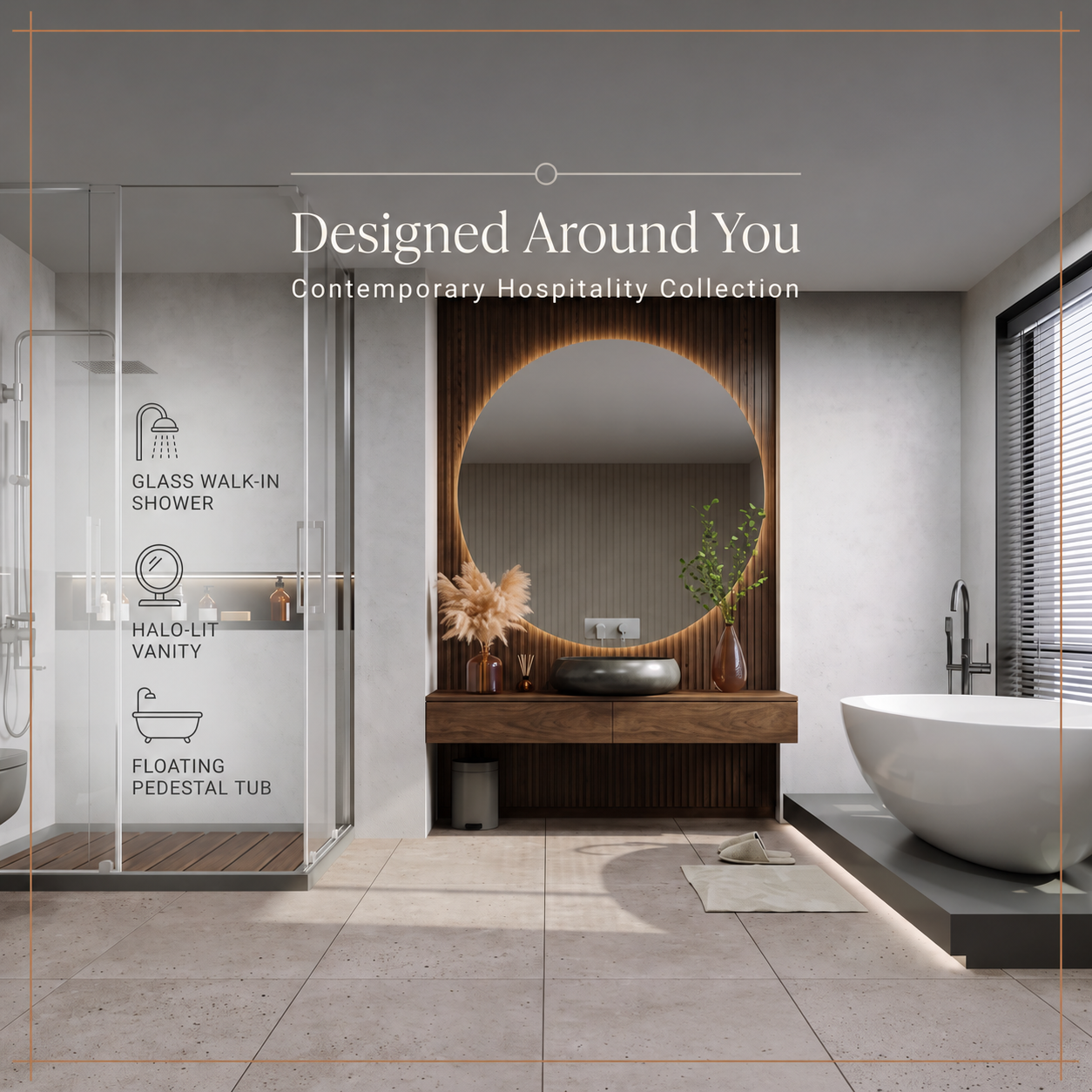
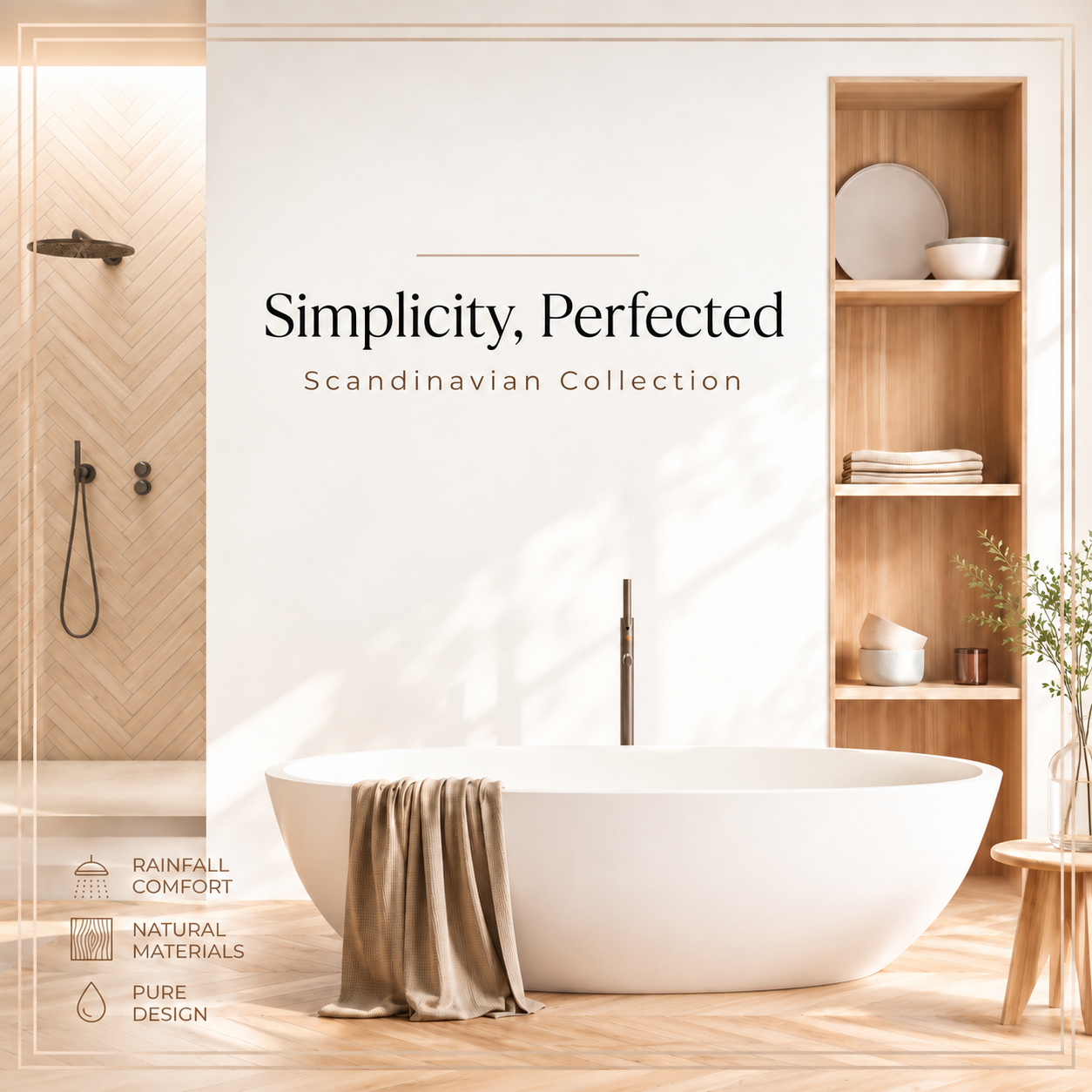
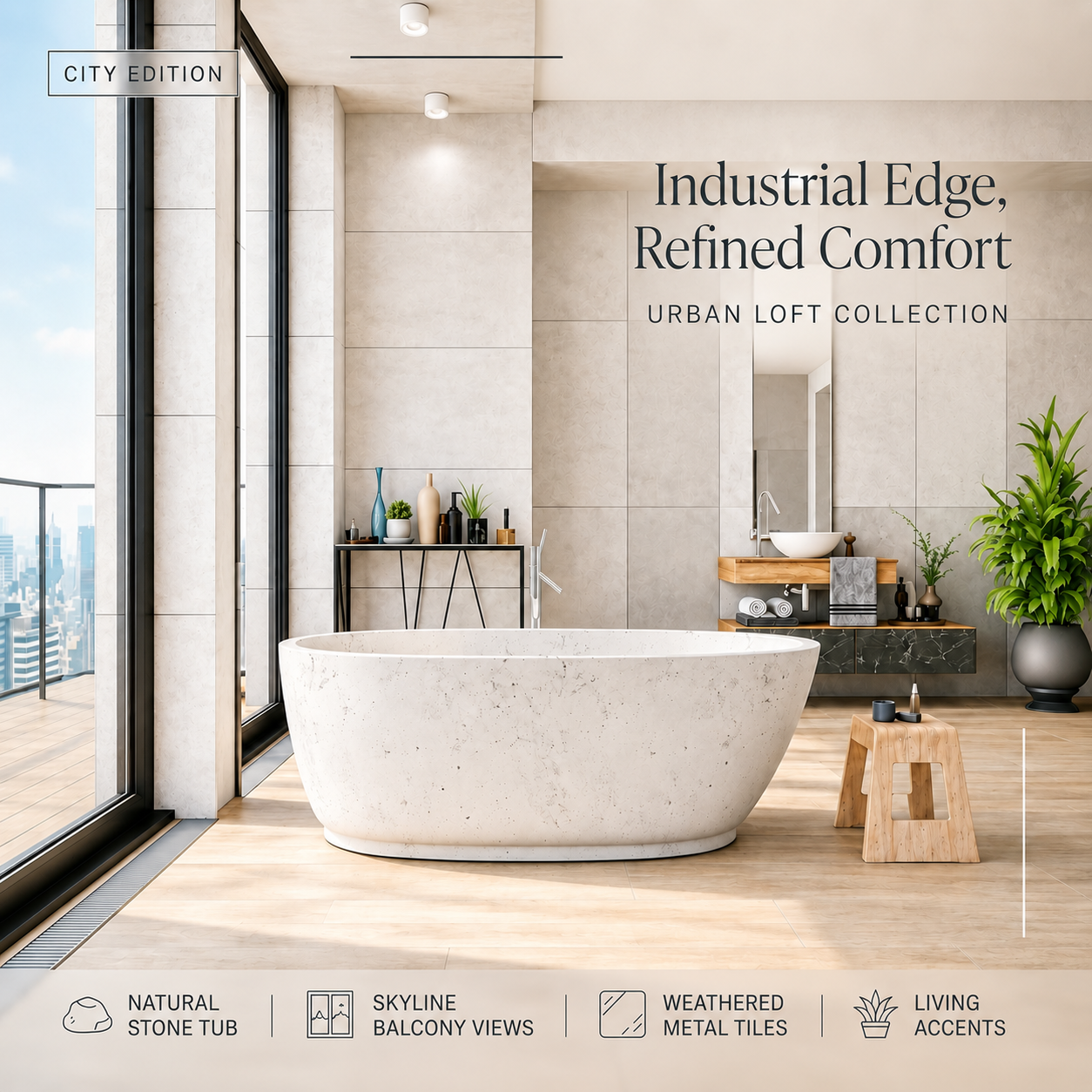
Bathtub Planning Details Worth Showing
These three square spaces can be used for technical drawings or project images showing filler reach, rough-in coordination, housekeeping clearance, floor loading or completed hotel bathrooms.
Hotel Bathtub Specification Checklist
Before approving a bathtub for a hospitality project, coordinate it as a complete architectural, plumbing, structural and operational assembly.
- Exact dimensions: verify overall length, width, rim height and interior geometry.
- Dry weight: document handling and structural implications.
- Filled condition: coordinate water plus occupant loading with the structural engineer.
- Water capacity: review large baths with domestic-hot-water capacity and recovery.
- Waste location: confirm drain and overflow positions before floor rough-in.
- Filler reach: confirm water lands inside the tub without striking the rim.
- Valve access: maintain a practical service path for concealed plumbing.
- Housekeeping: avoid narrow inaccessible gaps around freestanding tubs.
- Surface care: confirm approved cleaners for the exact bathtub material.
- Entry geometry: assess wall height and guest entry/exit conditions.
- Accessible rooms: coordinate clearances, seats, grab bars and controls independently.
- Mock-up: test repeated bathtub, filler and room relationships before rollout.
Accessibility & Professional Bathtub References
A luxury freestanding bathtub should not be described as accessible simply because it appears easy to use. Accessibility depends on the complete bathing facility and the requirements applicable to the project.
Related Hospitality Bathroom Research
Designing Bathroom Finishes for High-Traffic Hotels
Explore cleaning, material durability, finish selection and lifecycle planning for hotel bathrooms.
Read the hotel finish guide →Bathroom Fixtures That Cut Room-Turn Time
Examine how geometry, materials, seams and serviceability affect recurring housekeeping work.
Read the housekeeping guide →Sustainable Bathroom Fixture Brands for Hotels
Place bathtub selection within a broader strategy for water use, durable fixtures and long-term hotel operations.
Read the sustainable fixture guide →Hotel Bathtub Specification FAQ
These expandable questions address the coordination issues architects, designers, hotel developers and procurement teams commonly encounter.
What type of bathtub works best in a luxury hotel?
Should filled bathtub weight be checked structurally?
Is a freestanding bathtub harder for hotel housekeeping?
Are back-to-wall bathtubs better for hotels?
Does a deep soaking bathtub increase hotel hot-water demand?
How should a floor-mounted tub filler be coordinated?
Can a standard freestanding tub be used in an accessible guestroom?
Which bathtub material is easiest to use across many hotel rooms?
Should hotels use one bathtub model in every room?
What should be checked in a guestroom bathroom mock-up?
The Best Hotel Bathtub Is the One the Property Can Operate Well
A spectacular bathtub can increase the perceived value of a luxury suite, but successful hospitality specification balances appearance with engineering and operations. The bath should fit the room without harming circulation, fill within the project’s hot-water strategy, coordinate correctly with drainage and filler geometry, remain practical for housekeeping and preserve a realistic service path after opening.
On larger hotel projects, the selected bathtub should ideally be reviewed in a working guestroom mock-up before broad procurement. This can expose filler alignment problems, narrow cleaning gaps, awkward entry geometry, unexpected splash and proportion issues before they are repeated across the property.
Editorial & Specification Note
HospitalityBath comparisons are intended for architectural research and early specification planning. Dimensions, capacities, weights, materials, certifications and availability can change. Verify current manufacturer documentation and project-specific requirements before procurement or construction.